
Saint-Pol-Roux Manor: history, ruins, tours, heritage
Built on the tip of Camaret-sur-Mer, the Saint-Pol-Roux manor house is one of the most striking historical landmarks in Finistère.
The Saint-Pol-Roux manor, built on the headland of Camaret-sur-Mer in Brittany, is today one of the most striking historical landmarks in Finistère: built in the early 20th century, once home to the Symbolist poet Pierre Paul Roux, later converted into a family residence, and then left in ruins during World War I, this site tells a story of art, celebrities, drama, and memory at a single glance.
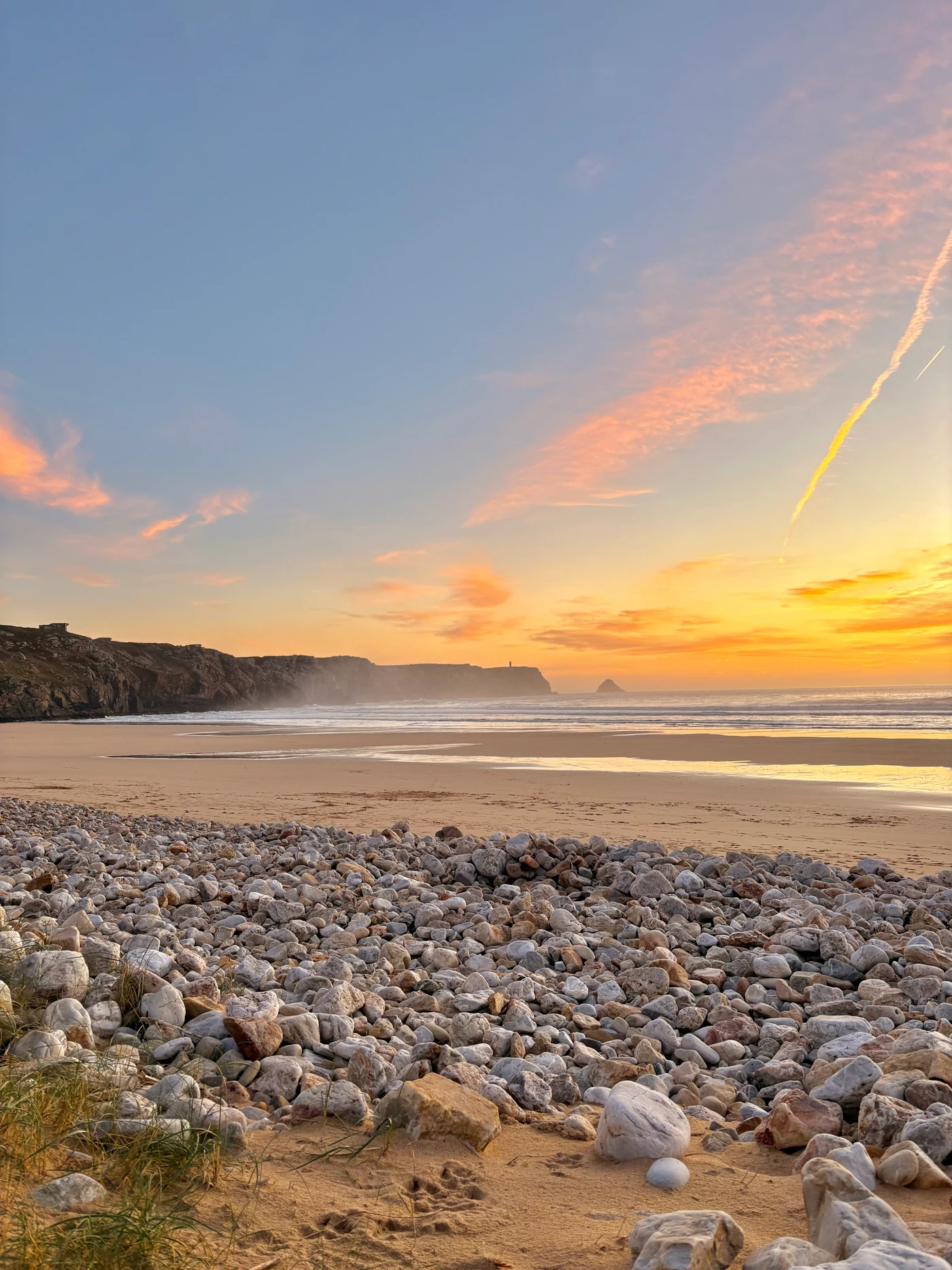
Located near Pen Hat Beach and overlooking the Crozon Peninsula, it attracts visitors every year who are curious to explore its ruins, understand its tragic fate, and learn about the restoration projects aimed at preserving this unique cultural heritage.
In short, here are the most important points to remember:
The Saint-Pol-Roux Manor is an iconic site in Finistère, blending historical heritage, poetry, seascapes, and ruins steeped in emotion.
Visits are self-guided and accessible via the coastal trails of Camaret-sur-Mer, offering an exceptional panoramic view and the unique atmosphere of the ruins.
The manor, originally named Boultous and later Cœcilian, was the home of the Symbolist poet Saint-Pol-Roux, who turned it into a place of creativity, artistic gatherings, and inspiration.
His tragic fate in October 1940—marked by the murder of his daughter Divine and the destruction of the house—makes it a deeply memorable and symbolic site.
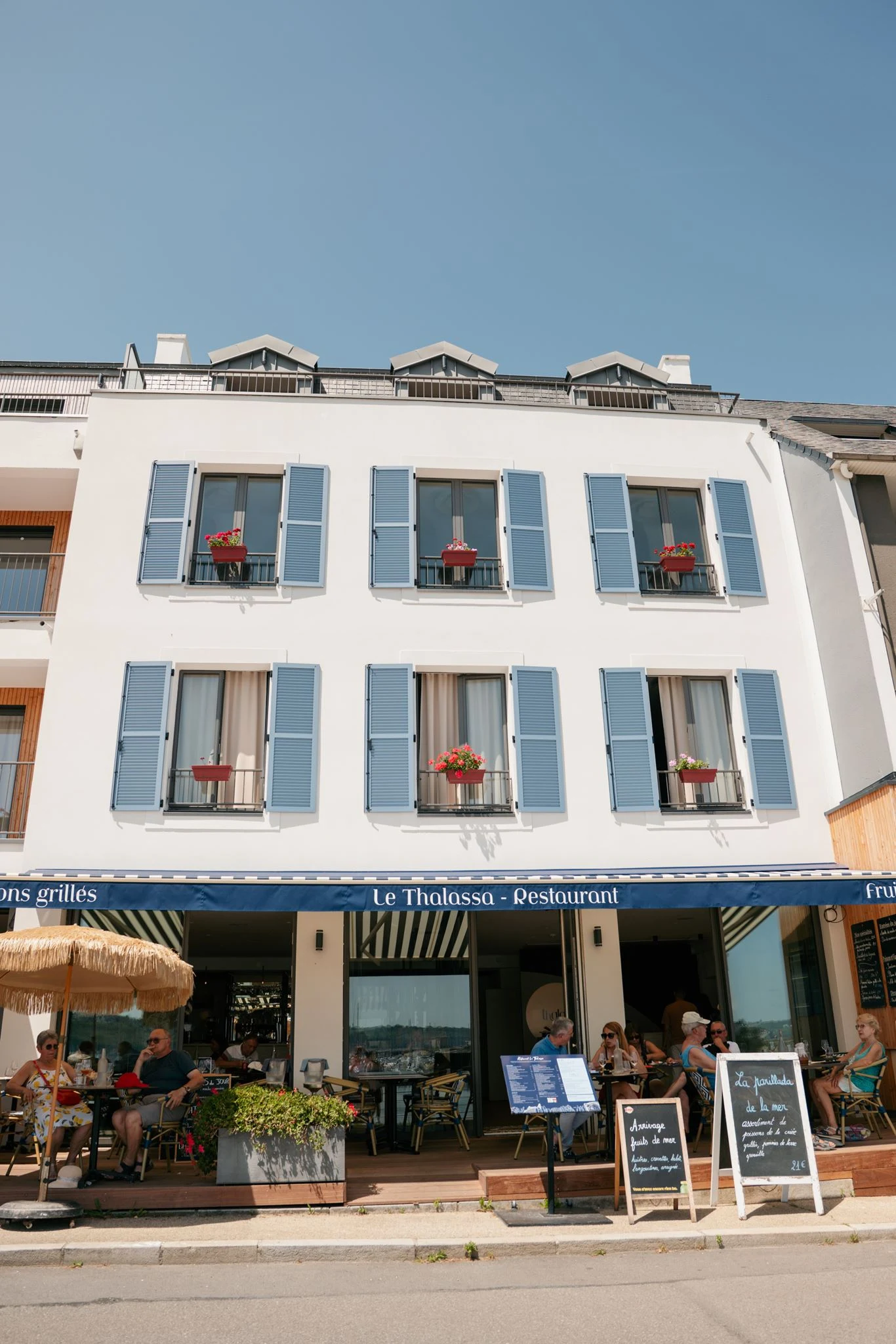
A conservation project aims to preserve the ruins for the long term, while the Hôtel Thalassa offers an ideal option for continuing your exploration of the peninsula.
To learn more and find out everything about this topic, I invite you to read the article.
The Manor at a Glance: Why Does It Still Captivate Visitors Today?
The Saint-Pol-Roux Manor is one of the most iconic sites in Camaret-sur-Mer. Perched on a rocky headland facing the Iroise Sea, it overlooks Pen Hat Beach and stands out for its ruins steeped in history. This Breton site, deeply rooted in France’s literary heritage, draws visitors as much for its spectacular setting as for the fate of its owner, the Symbolist poet Pierre Paul Roux.
At a single glance, visitors can sense the site’s historical significance, the traces of a tragedy that occurred in October 1940, and the silhouette of a property now torn apart by war. The manor remains one of the major cultural landmarks of the Crozon Peninsula, a place where poetry, memory, and the seascape intertwine.
How can you visit the manor today? Directions, tips, and what to expect during your visit
The manor is located on the Kerbonn headland in Camaret-sur-Mer, not far from Pen Hir and the famous Lagatjar stone alignments. Visitors are free to explore the site on their own; it is accessible via a coastal path, which is ideal for a stroll or a hike. The relatively easy trail offers views of the beach, the cliffs, and the entire seascape.
The site is no longer intact, so visitors should exercise caution when approaching the ruins. No official guided tours are offered on-site, but a wealth of historical information is available through local tourist circuits. The site is easy to explore during the day and can be incorporated into an itinerary that includes the Vauban Tower, the Notre-Dame de Rocamadour Chapel, or the walk to Morgat.
A Memorable Story: From the Boultous Manor to the Cœcilian Manor
Originally, the house was known as the Manoir du Boultous, a name that evoked the maritime heritage of the region’s fishermen. When Pierre Paul Roux moved in, he transformed this fisherman’s house into a family manor and renamed it Manoir de Cœcilian, in honor of his son who died in battle.
The building’s architecture reflects the Breton aesthetic of the early 20th century: local rubble stone, facades facing the sea, and rooms opening onto the landscape. The property featured several workspaces dedicated to the poet’s writings, as well as an entrance leading to rooms designed to entertain friends and artists. The magnificent, secluded setting fostered inspiration and reflection.
Just a short walk from the manor stood Divine’s cottage, a small house said to have belonged to his daughter, who was also an active participant in the family’s artistic and social life.
Who Was Saint-Pol-Roux? A Portrait of a Major Poet
Pierre Paul Roux, born in January 1861, was one of the leading figures of the Symbolist movement. Influenced by Mallarmé and close to many other artists, he established himself as an original artist, recognized for the depth of his work and his distinctive style. After living in Paris, he chose to settle in Camaret-sur-Mer, drawn by the seclusion, the light, and the power of the Breton landscape.
His move to the peninsula marked a turning point: there, he wrote, hosted intellectuals, raised his children, and transformed the manor into a unique literary center. His influential presence in the artistic world contributed greatly to the area’s renown.
The artists and intellectuals who frequented the manor
Cœcilian’s manor was a gathering place for many artists, writers, and thinkers. Among the best known were:
-
André Antoine, a theater director and close friend.
-
Victor Segalen, a writer, traveler, and doctor, who appreciated the atmosphere of the place.
-
Alfred Jarry, a leading figure of the Surrealist movement.
-
Other visitors, less famous but essential to the cultural life of the estate.
The place sometimes served as the setting for small, impromptu exhibitions, readings, and literary discussions, giving rise to a true local legend. This blend of art, poetry, and nature creates an atmosphere that continues to fascinate visitors today.
A Tragic Fate: War, Family Tragedy, and Destruction
The history of the manor took a dramatic turn in October 1940, when the war reached Camaret-sur-Mer. A German soldier stormed the house. He attacked the family, wounded several occupants, and murdered the poet’s daughter, Divine. Her death deeply affected Saint-Pol-Roux, who would never recover from this tragedy.
The house was then looted, burned, and finally bombed. Saint-Pol-Roux, who had been transferred to the hospital in Brest, died a few days later, weakened by his injuries and grief. The family, already in mourning, was forced to leave their home. This murder, still a painful memory for the local community, has made the manor a symbol of loss and injustice.
The Ruins Today: What Remains of the Cœcilian Manor
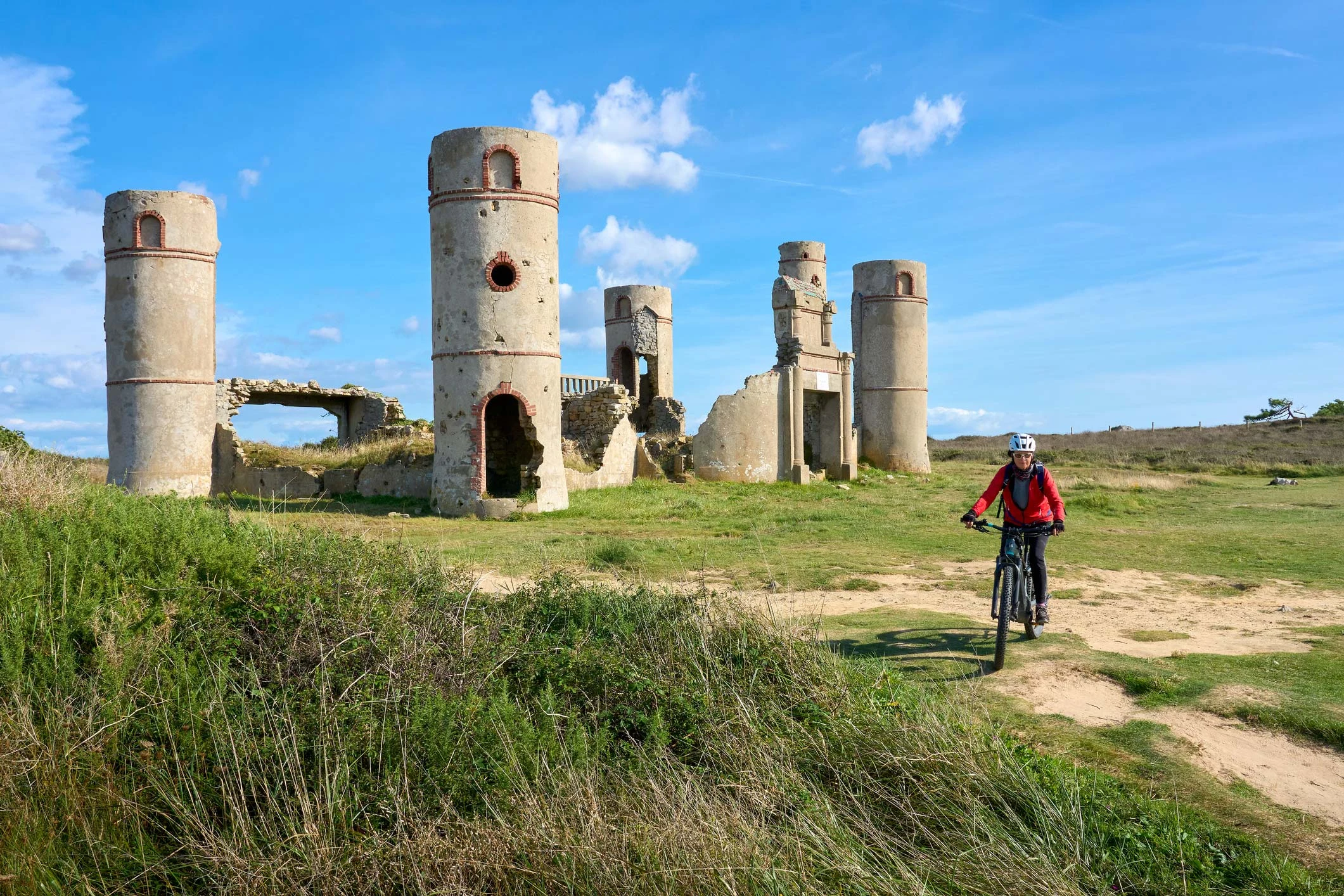
Today, visitors can see ruins marked by fire and the passage of time:
-
remnants of the building’s walls,
-
the former entrance facing the sea,
-
the rooms that collapsed under the bombardment,
-
the rubble charred by the fire,
-
the architecture still discernible despite the collapse.
The ruins stand out as a place of contemplation, blending silence, wind, and memory. They are now part of Brittany’s cultural heritage and remain a major attraction for tourists in Camaret-sur-Mer.
Preservation Projects: The “Crystallization” of Ruins
A restoration project is underway to preserve this exceptional heritage site. The goal is not to rebuild the manor, but to stabilize the walls, protect the stones, secure the access points, and preserve the site’s historic character.
This project involves several stages:
-
architectural study,
-
seeking public and private funding,
-
structural reinforcement,
-
protection of vulnerable areas,
-
reflection on cultural transmission.
These efforts aim to provide visitors with a better understanding of the site while respecting its current condition, which has become an important part of its identity.
A Stay in Camaret-sur-Mer: A Complete Experience at the Hôtel Thalassa
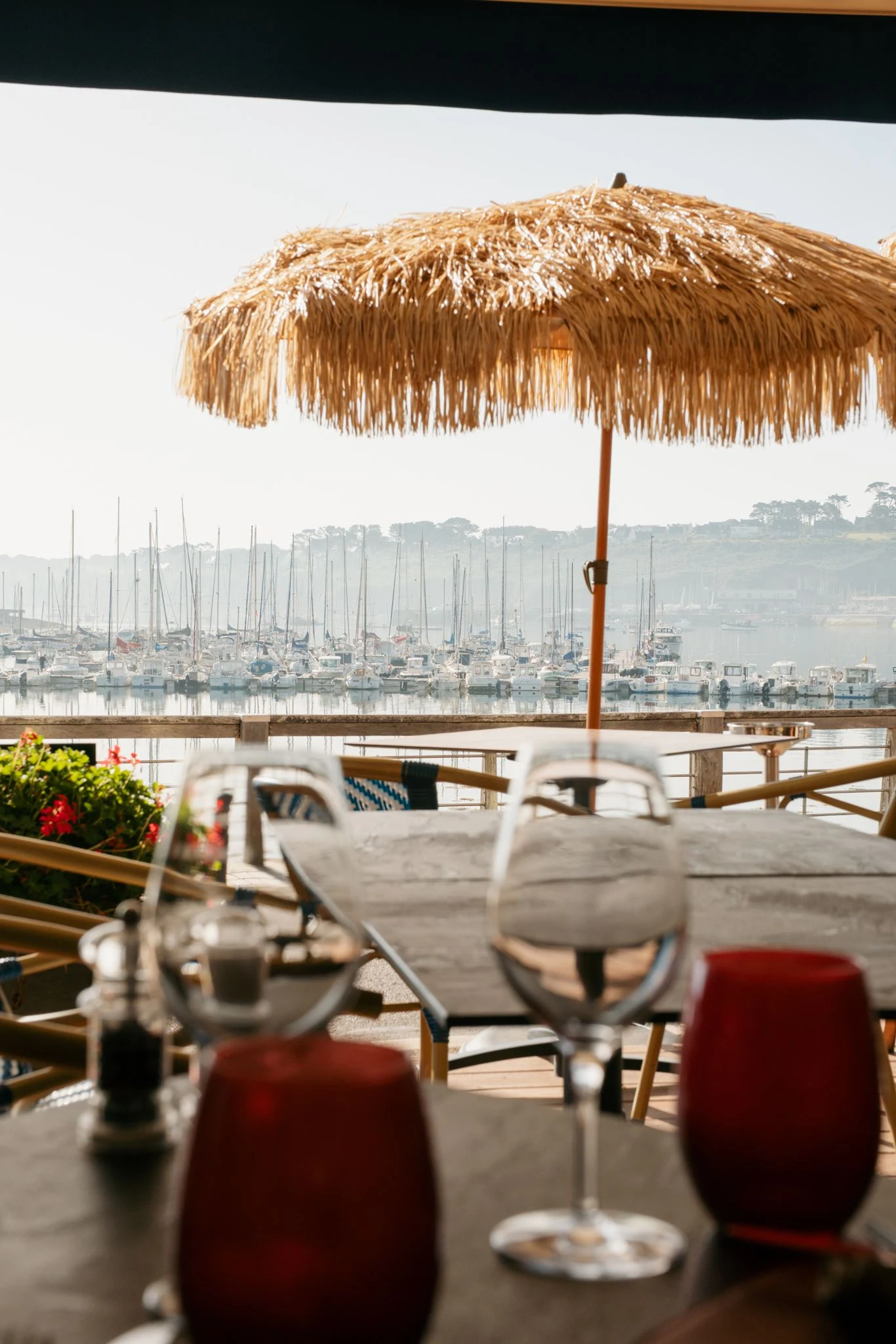
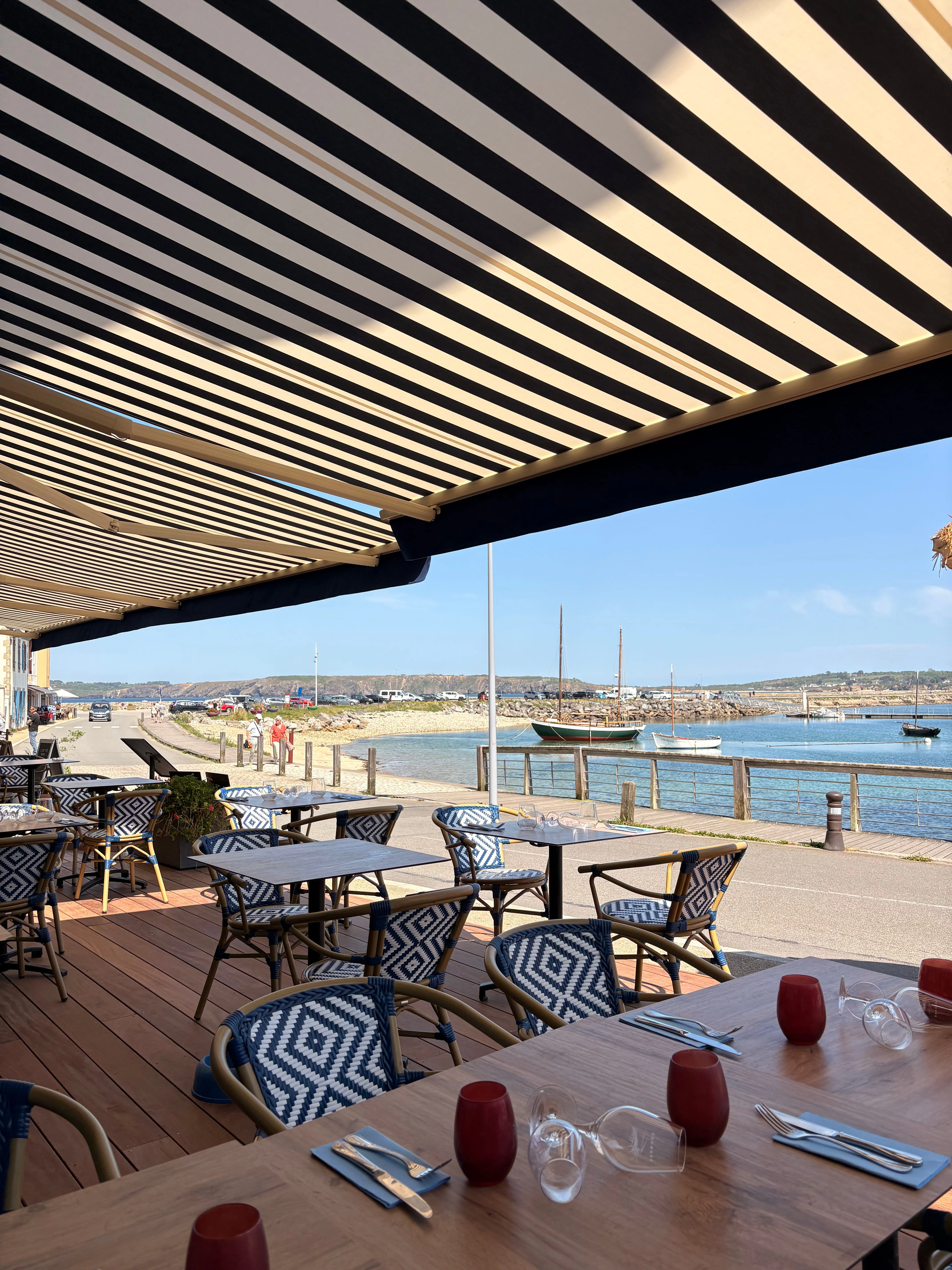
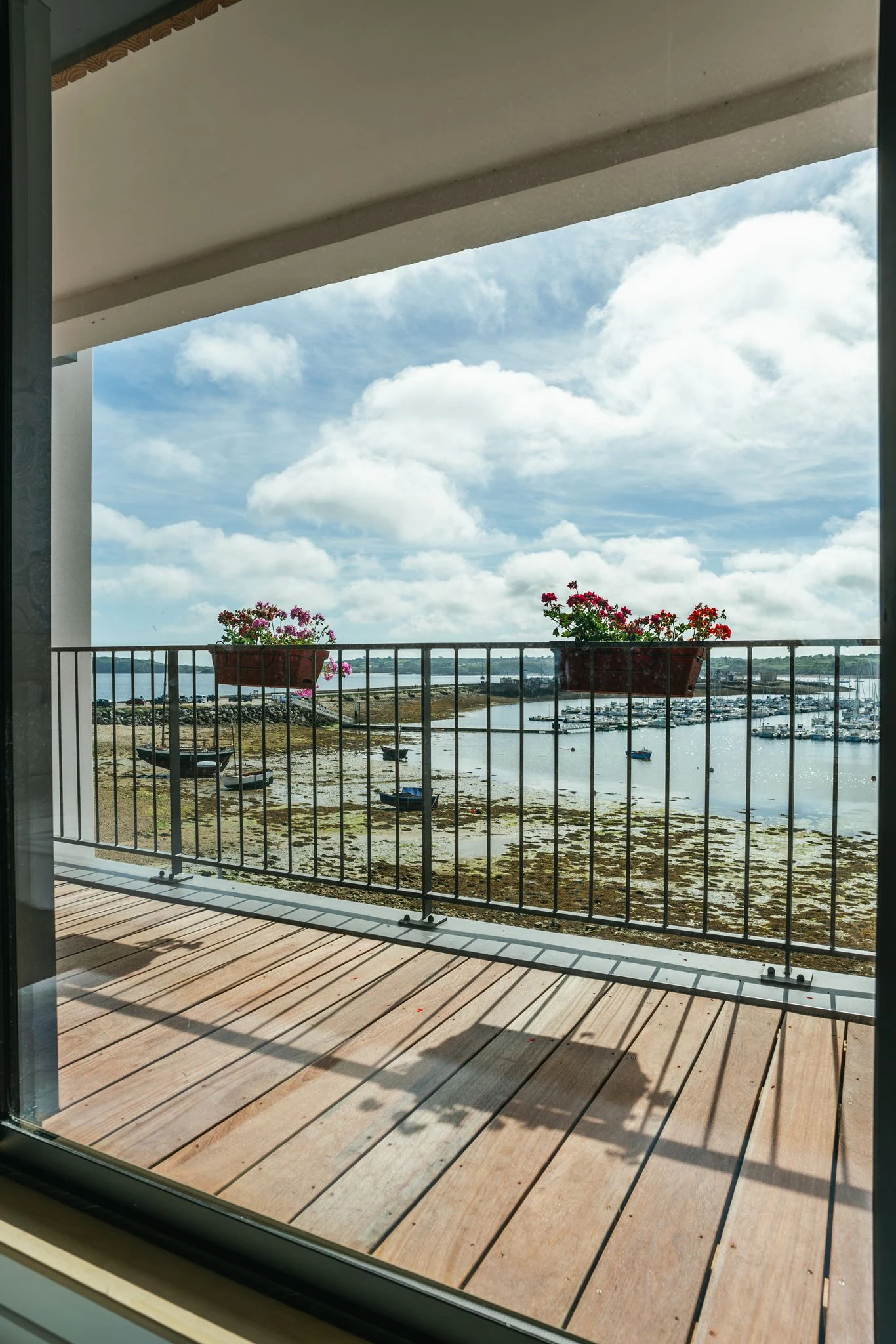
To fully experience the atmosphere of the manor and the peninsula, staying nearby offers true comfort. The Hôtel Thalassa, located in Camaret-sur-Mer, offers a warm and soothing setting, ideal for continuing your exploration.
A Welcoming and Serene Atmosphere
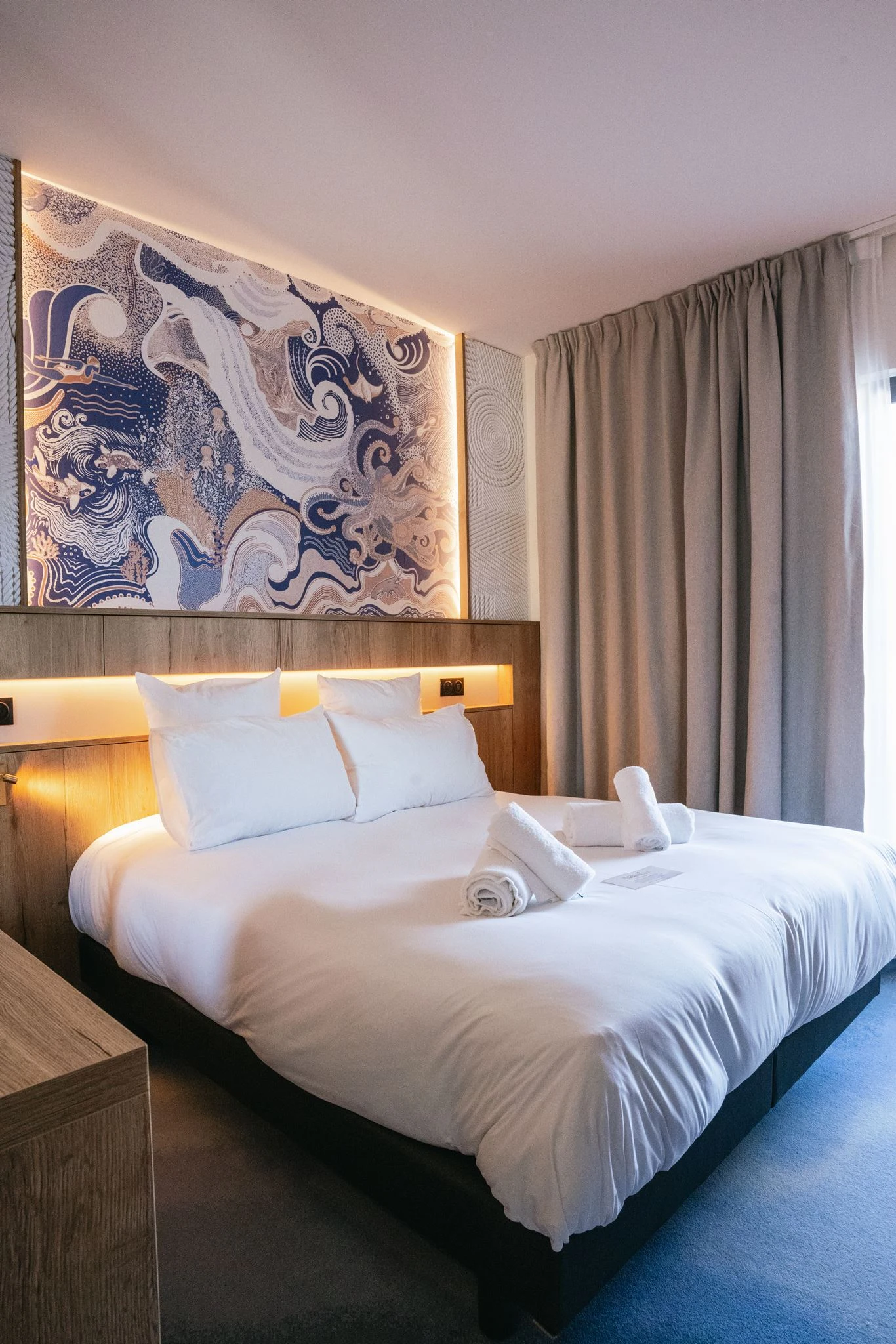
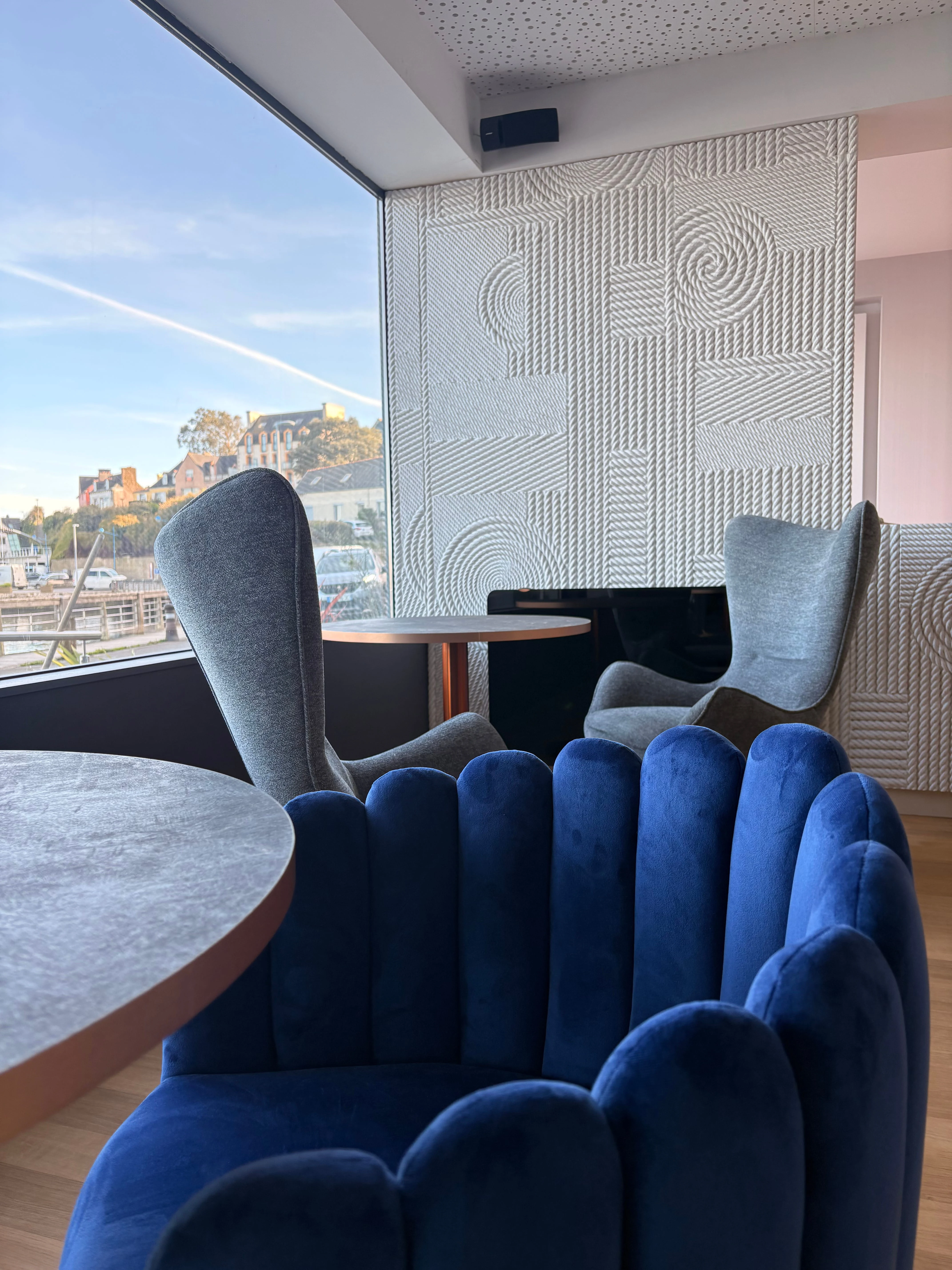
The rooms offer modern comforts with a soothing ambiance inspired by the coastline. The ocean view creates a sense of escape the moment you arrive, and the professional hospitality ensures a restful stay.
An ideal location
Close to the harbor, coastal trails, and major cultural sites, the hotel offers easy access to:
-
the Saint-Pol-Roux manor,
-
Pen Hat Beach,
-
the Lagatjar stone alignments,
-
the Vauban Tower,
-
and local tourist activities.
It’s also an excellent option for visitors looking for hotels near the site, offering a well-maintained setting and a perfect location.
The perfect place to end your visit
After a day of walking or exploring, the hotel offers a peaceful and comfortable retreat, all while letting you enjoy an authentic Breton atmosphere.
Legacy, Memory, and Prospects
The Saint-Pol-Roux manor remains a place of remembrance deeply rooted in French heritage. It brings together poetry, history, and landscape. Its ruined state adds to its legend, heightening the emotion felt by visitors.
Ongoing preservation efforts ensure that this piece of literary history will continue to be understood and passed down. The manor remains a powerful symbol: a space where culture, nature, drama, and beauty converge—a place whose echoes still resonate across the Crozon Peninsula and far beyond.