
Landévennec Abbey: what to see, how to visit, history and how to get there
In Landévennec, on the Crozon Peninsula, the abbey offers a complete experience: ruins, a museum, a garden, and Saint-Guénolé Abbey.
In Landévennec, on the Crozon Peninsula (Finistère, Brittany), Landévennec Abbey offers a comprehensive visitor experience: the ruins of the old abbey and its museum, a garden inspired by medicinal herbs, and, nearby, Saint-Guénolé Abbey, where a Benedictine monastic community still lives.
This outing in Crozon appeals equally to those curious about Breton history and families out for a stroll: here, you can trace more than a thousand years of occupation, reconstruction, and excavations in a peaceful setting along the Aulne Maritime River, at the final bend leading to Brest Harbor. In this article, you’ll find everything you need to plan your visit (must-see highlights, activities, and how to get there) as well as what you can pick up at the gift shop (products and gift ideas).
What You Need to Know Before You Come
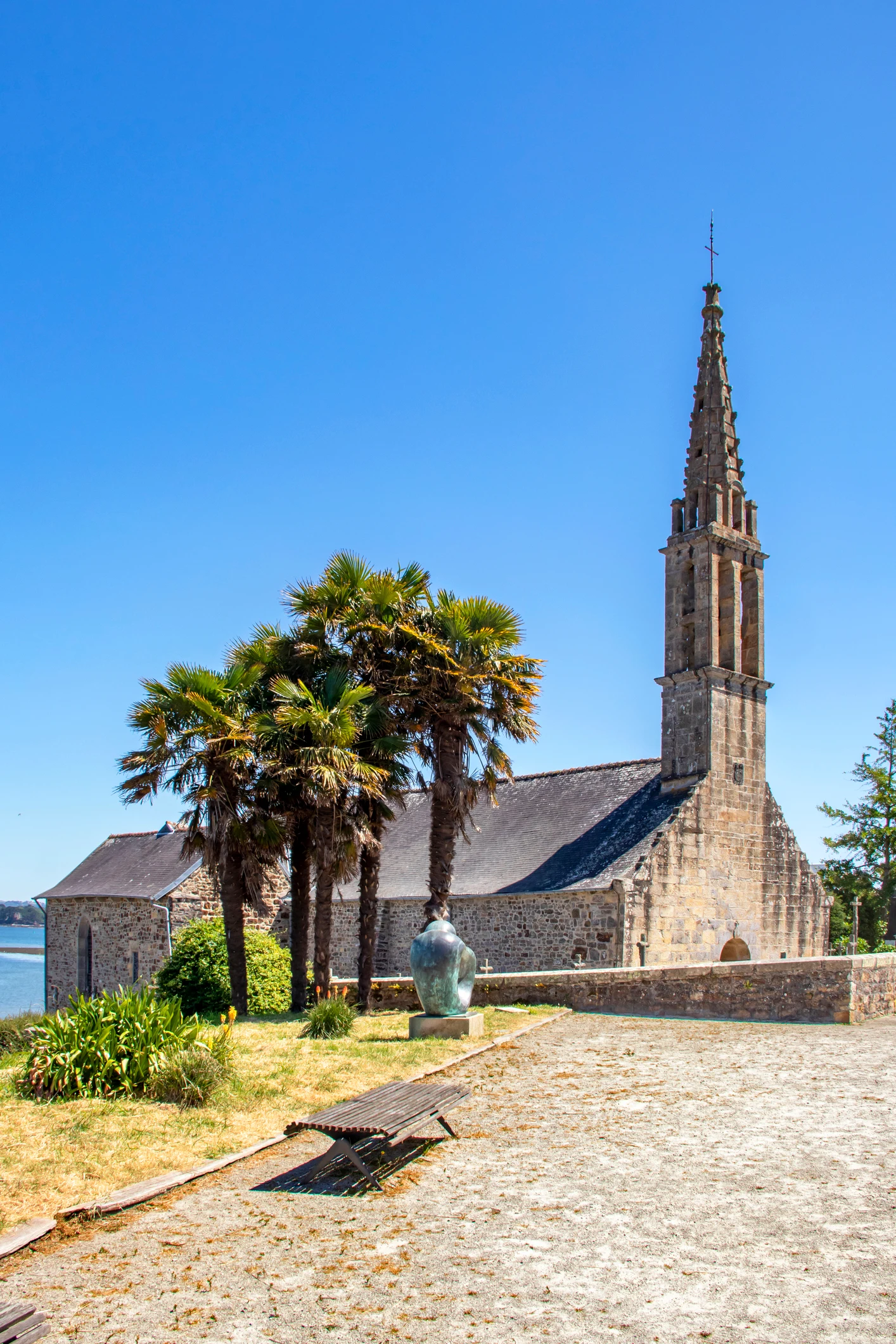
A “good” visit starts with a simple fact: there are two complementary sites. On one hand, there is the museum and the archaeological site, with its walls, layouts, and ruins. On the other, Saint-Guénolé Abbey—sometimes called the “New Abbey”—which has been home to a new community of Benedictine monks since the 20th century.
This distinction helps you understand the significance of the place. Here, history isn’t just something you read about in a book: you can see it in the stone, walk through it amid the ruins, and feel it in a more spiritual atmosphere as you approach the living monastery. It’s a site “between land and water,” where the geographical setting is part of the experience.
How much time to allow
For a first visit, aim for a leisurely half-day: museum + ruins + garden, with a break. If you’d like to take your time, add a stop at Saint-Guénolé Abbey (but be discreet—it’s a lived-in place).
How to Visit Landévennec Abbey
The most seamless tour follows a logical order: the museum first, then the ruins and the garden. The museum “sets the stage”: it helps you understand what you see outside, why some walls are low, and how archaeologists interpret the layers of the past.
Museum, ruins, garden: a cohesive trio
The museum serves as a guiding thread: it traces the major historical periods and provides a clear interpretation of the site.
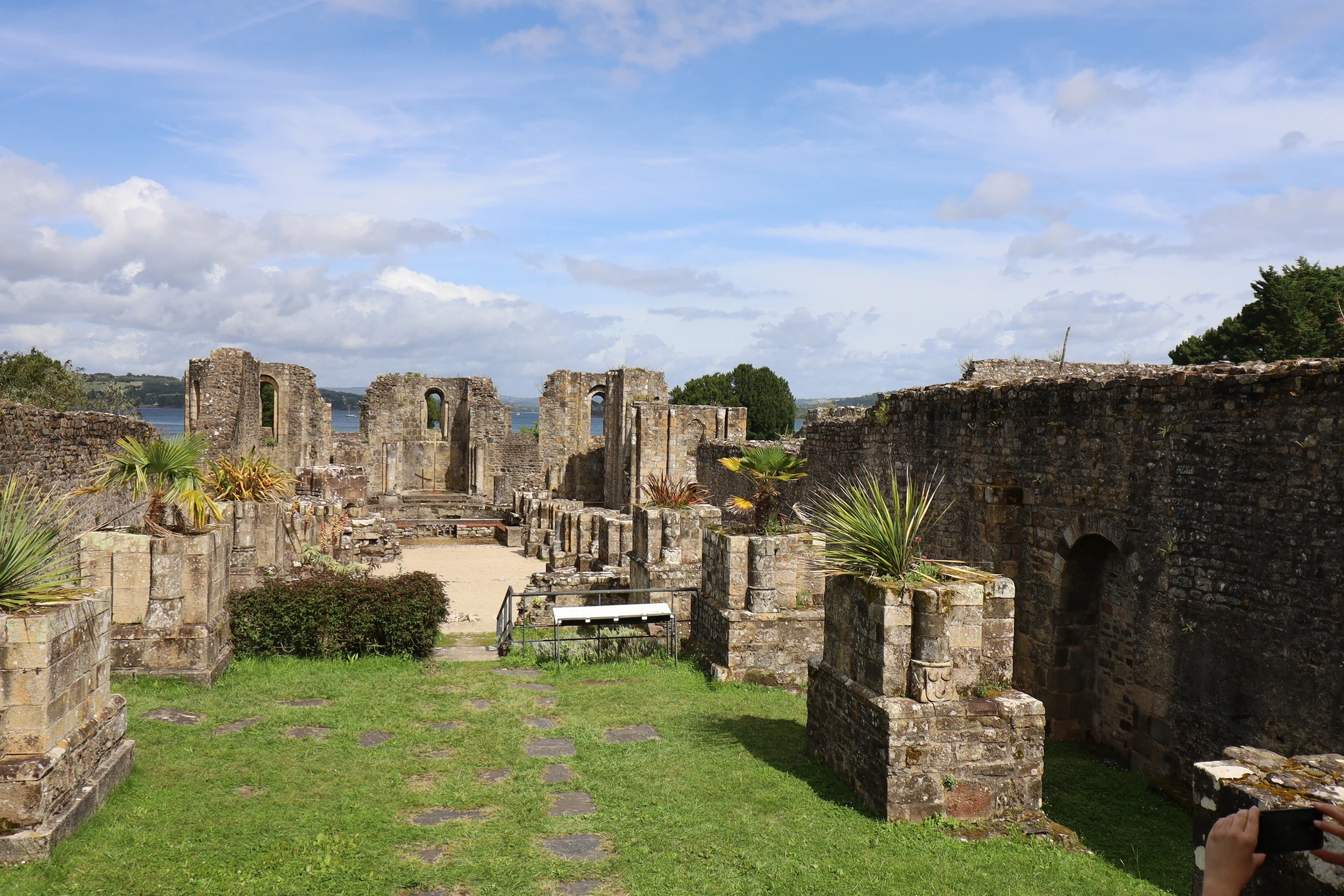
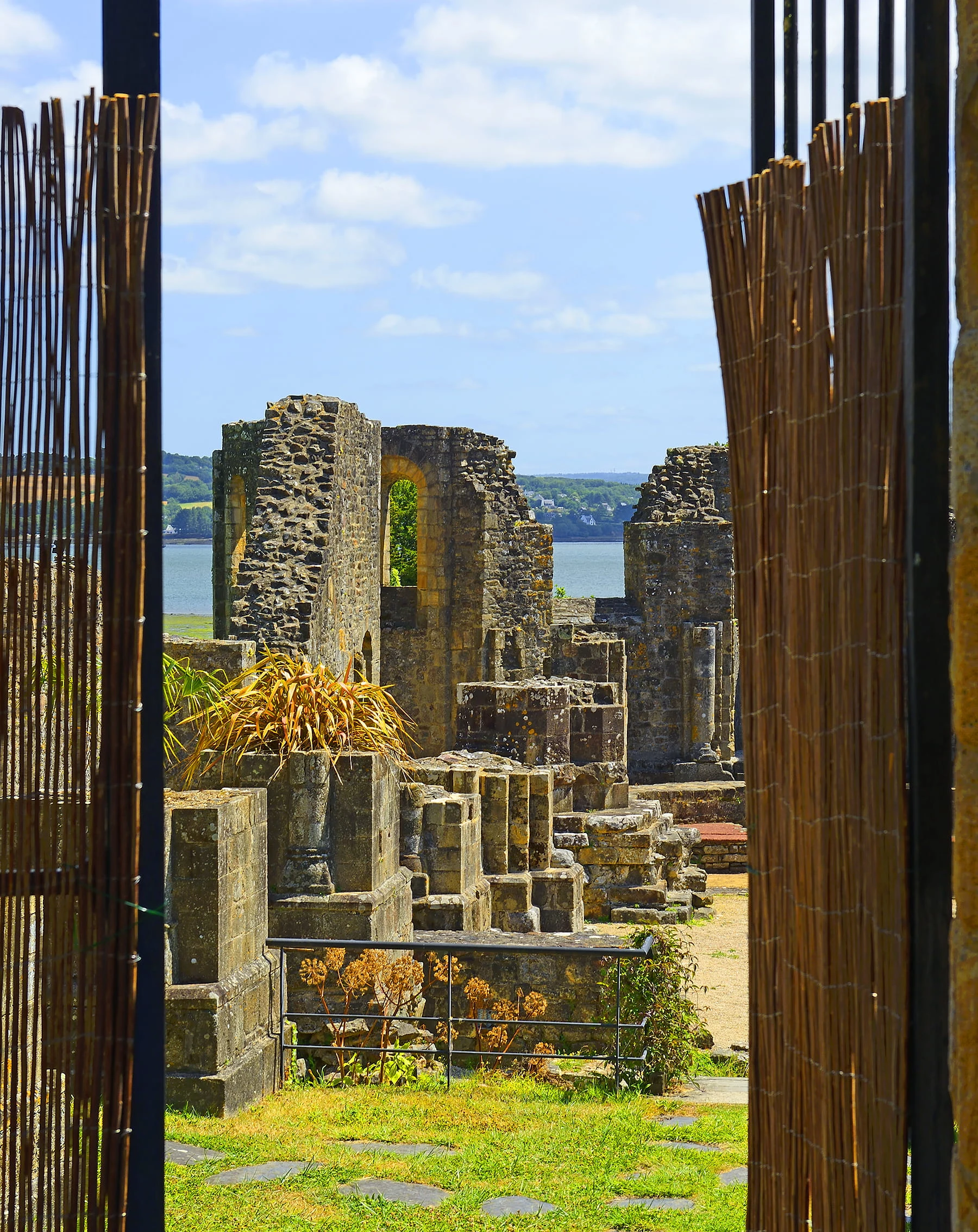
The ruins are the “on-site” part: you walk through the heart of an ancient monastic complex, and each building evokes a specific function (prayer, daily life, circulation).
The garden extends the idea of tradition and care, adding a sensory dimension: the connection to plants, the seasons, and the climate.
Practical Info: What Really Helps
Before you go, take two minutes to check the hours and opening dates (they vary by year). If you’re visiting as a group, review the group policies: some sites offer special programs (for schools, organizations, and guided tours).
You can also get in touch with a specific request: send an email to the museum or the visitor center, or call if you’d like advice on how long to plan for, accessibility, or a current exhibition. The goal is simple: to avoid unpleasant surprises and make the most of your trip to the peninsula.
Must-See Ruins at the Archaeological Site
On site, these aren’t “just ruins.” They are visible evidence: walls, foundations, floor levels, and materials that bear witness to different eras. That’s what makes the site so revealing, even to non-specialists.
The archaeologist’s perspective is crucial here. Excavation campaigns (conducted over several decades) have identified successive phases: expansions, transformations, and reconstructions. In other words, the ruins are not a failure—they are an exceptional record that tells the story of a place in constant flux.
A concrete point of reference: the church
Look for the areas where you can make out the former church and the layout around it. Even though not everything is “still standing,” the layout gives a clear idea of the monastic structure.
History of Landévennec Abbey
The abbey is traditionally said to have been founded by Saint Guénolé at the turn of the 5th and 6th centuries. It became a major landmark of Christian Brittany, with periods of significant influence.
From the Early Middle Ages to the 9th Century
During the Early Middle Ages, monastic life took shape and the site expanded. The 9th century (and more broadly, the Middle Ages) was marked by phases of development and reorganization. Landévennec is sometimes associated with figures and tales from Brittany, such as King Gradlon: this should be viewed as part of the region’s culture and tradition rather than as a definitive “historical guide.”
From Crises to Reconstruction
Like many ancient sites, the abbey went through difficult periods: attacks, tensions, war, and political upheavals. Part of its history was marked by destruction, followed by gradual reconstruction. We also discuss later periods, including the 17th century, which saw further transformations of the site and its buildings.
A Living Abbey Today
In the 20th century, a Benedictine community returned to Landévennec and settled in a nearby monastery. This community follows the Rule of St. Benedict and belongs to the Congregation of Subiaco-Mont Cassin. If you come across terms like “Father Abbot” (or “Abbot”), they refer to the internal organization: the abbot is the one who leads the community on a day-to-day basis.
A little cultural bonus: in the museum, you’ll find references to the evolution of the language and written texts, from Old Breton to Modern Breton, depending on the time period and the documents on display.
Things to Do in and Around Landévennec
The site offers more than just a quiet visit. Depending on the season, there may be a temporary exhibition, a cultural highlight, or a program of activities tailored to different audiences.
What Visitors Like Best (Most of the Time)
Guided tours: ideal if you want a clear explanation of the ruins.
Family activities: short, hands-on sessions focused on discovery.
Storytelling walks (when available): a pleasant way to connect heritage, landscape, and local folklore.
To extend your visit, be sure to explore the surrounding “natural” areas as well. The peninsula offers a constant contrast between the sea, valleys, trails, and sometimes nearby wooded areas (depending on your route). A photo by the water’s edge, with the ruins in the background, is often a highlight of the experience.
Shops, Products, and Cuisine: What Can You Buy?
Many visitors like to take home a souvenir related to the place. You can find a gift shop (or “on-site shop”) offering cultural items, books, and monastic products, depending on the season.
When it comes to food, the most sought-after items are often sweets: fruit pastes, salted butter caramel, candies, and sometimes other local specialties. The idea isn’t to buy “just for the sake of buying,” but to extend your visit and support the site’s operations.
Directions: How to Get to Landévennec Abbey
Landévennec is located on the Crozon Peninsula, between the heart of Finistère and the coast. The easiest way to get there is by car. To find your way, use a map (paper or GPS) and first head toward the main roads leading to the peninsula, then follow the signs for Landévennec.
If you’re looking for a “no-hassle” option, the local tourist office can provide useful information: directions, parking, travel times, and ideas for day-long loop trips.
Extend Your Getaway: A Night by the Sea at the Hôtel Thalassa (Camaret-sur-Mer)
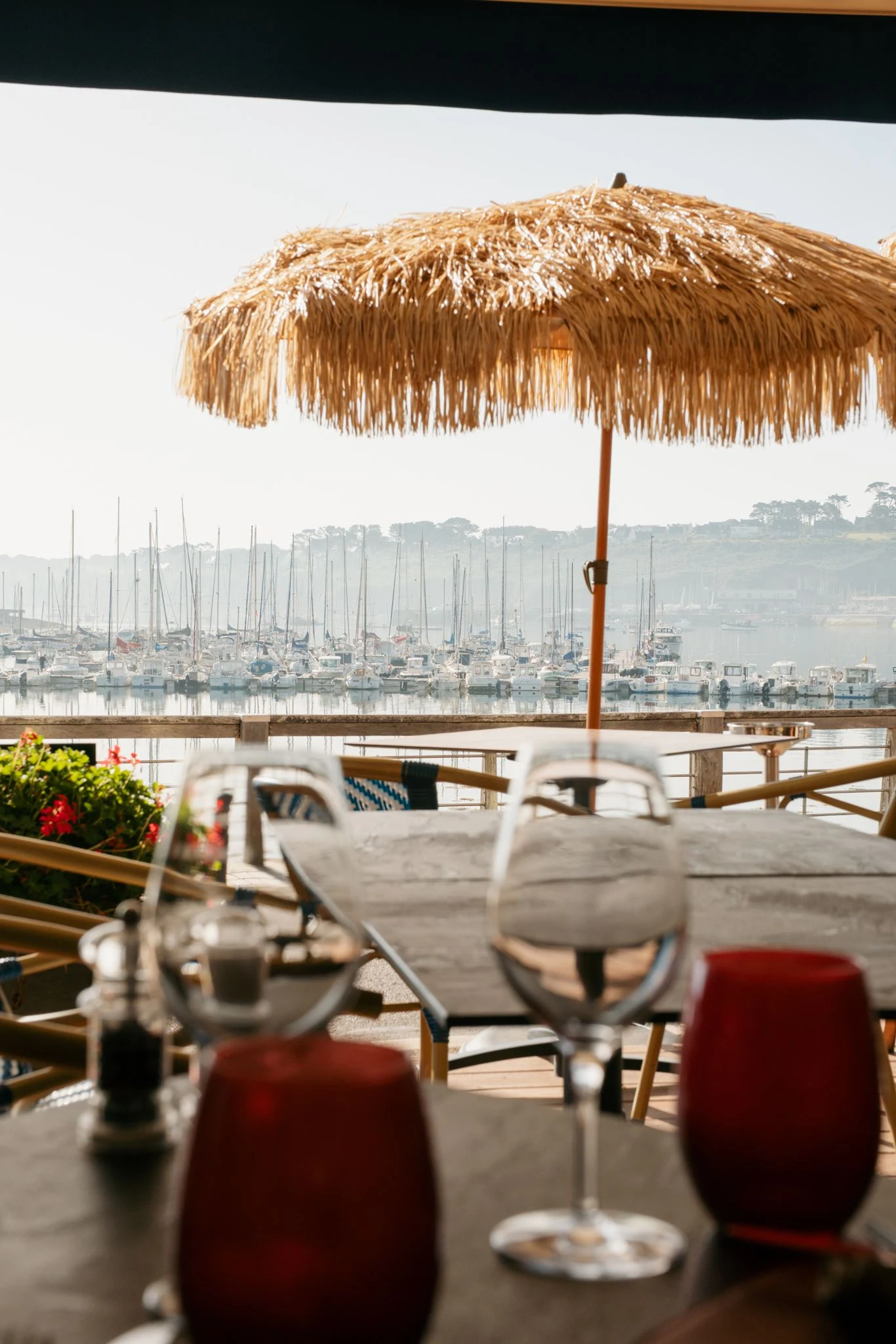
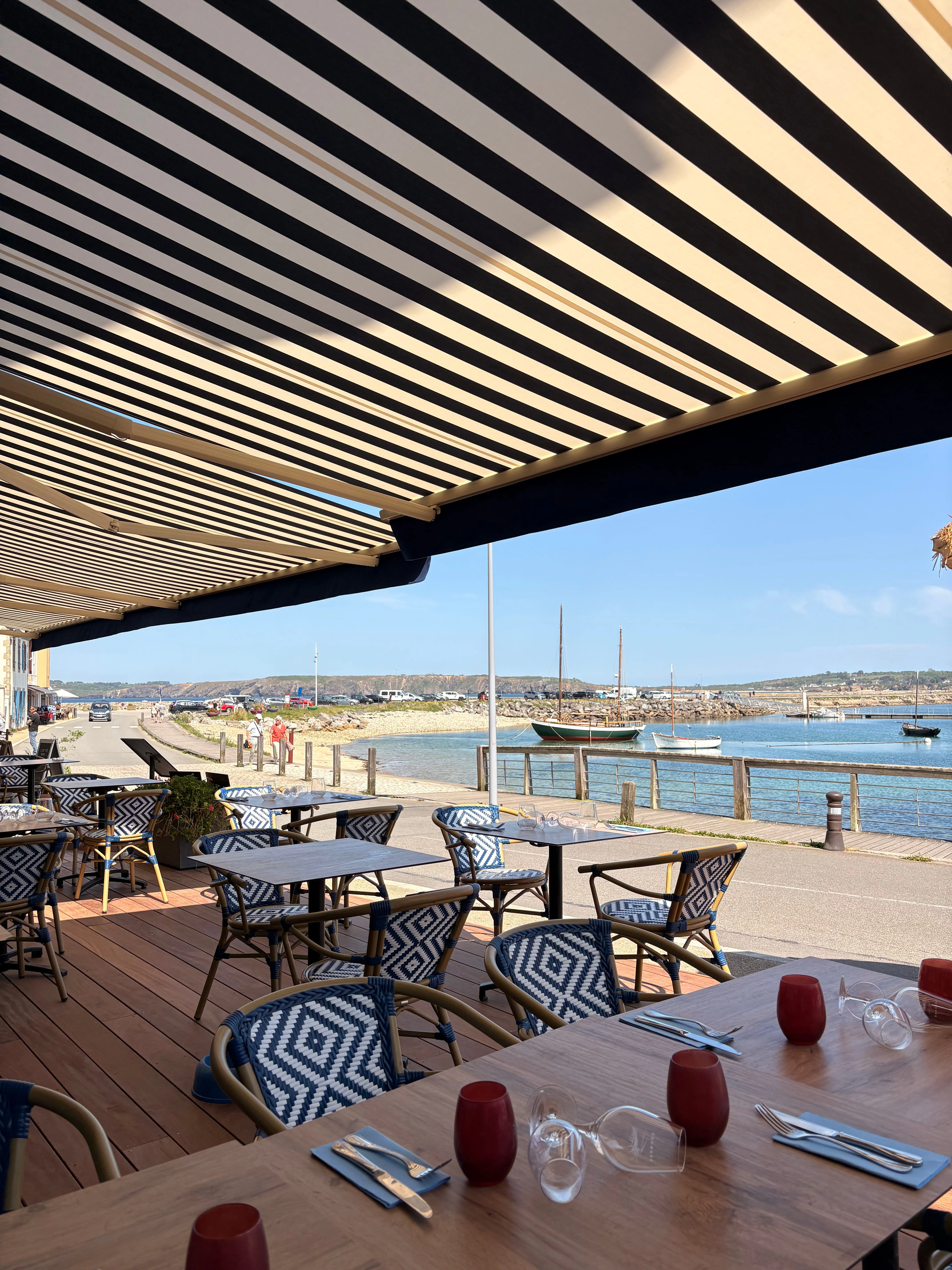
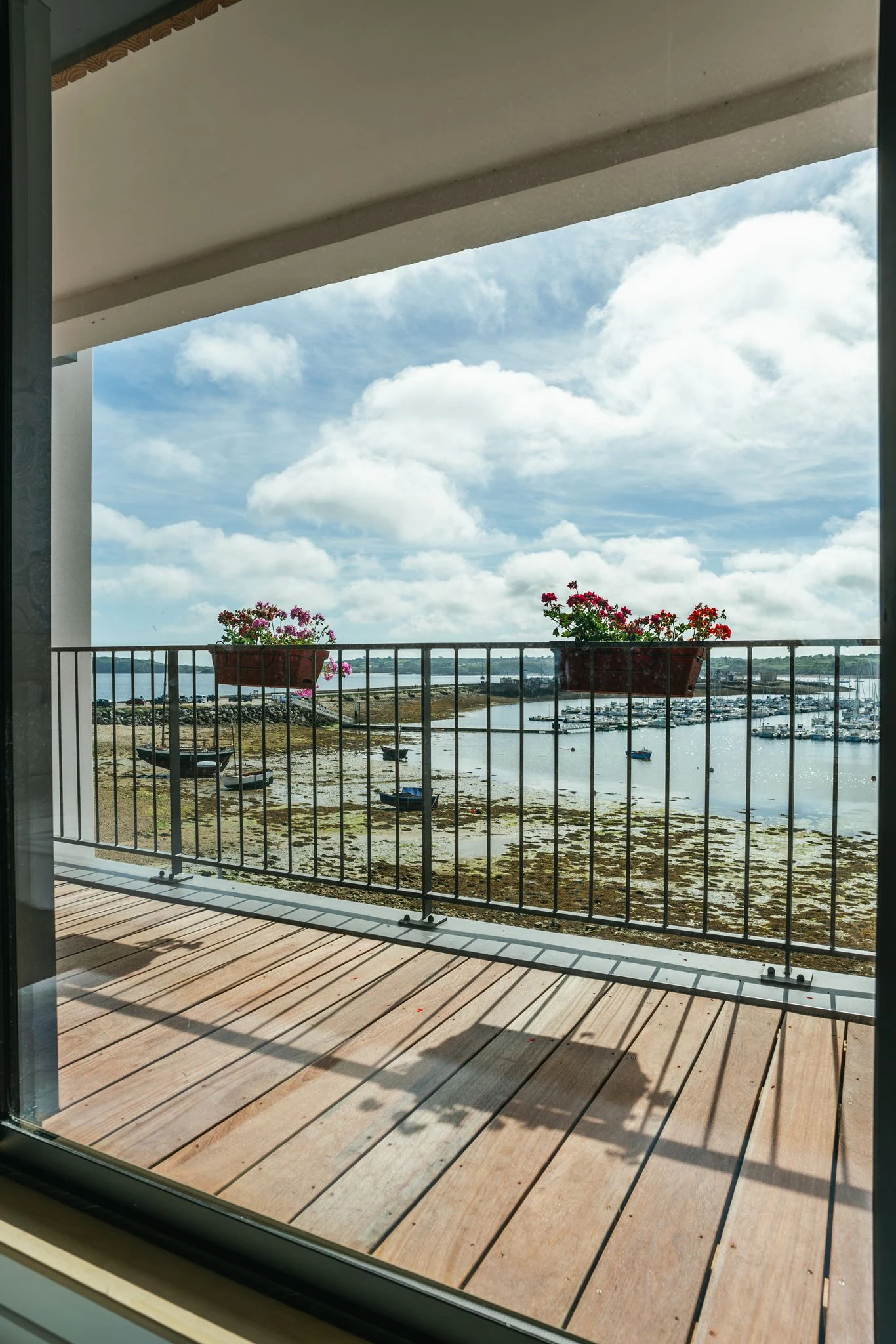
If you want to turn your visit into a true getaway, Camaret-sur-Mer is the natural next stop. After a morning exploring Landévennec’s historic sites, you’ll find yourself in a whole new setting: the harbor, the late-afternoon light, and the salty sea air.
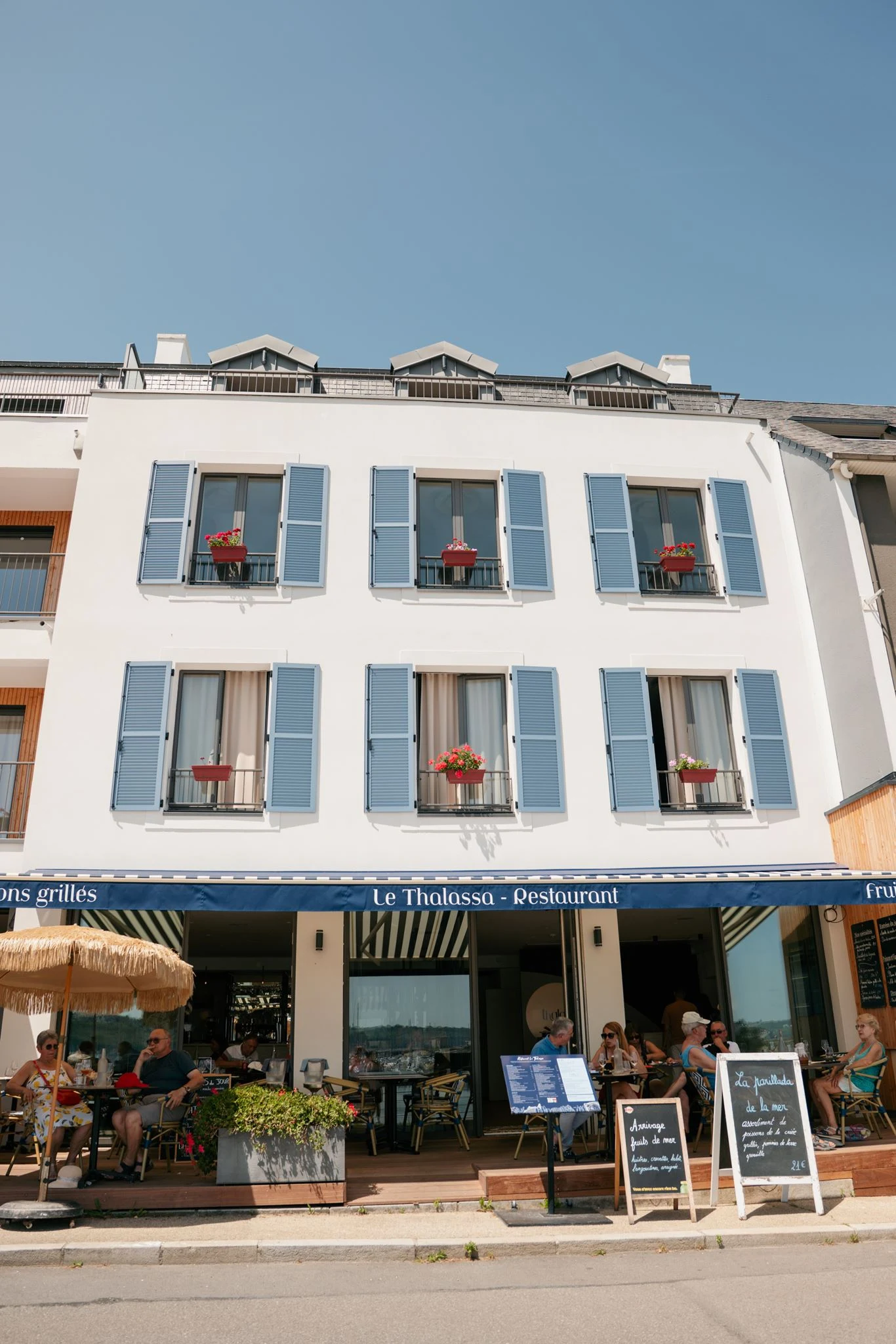
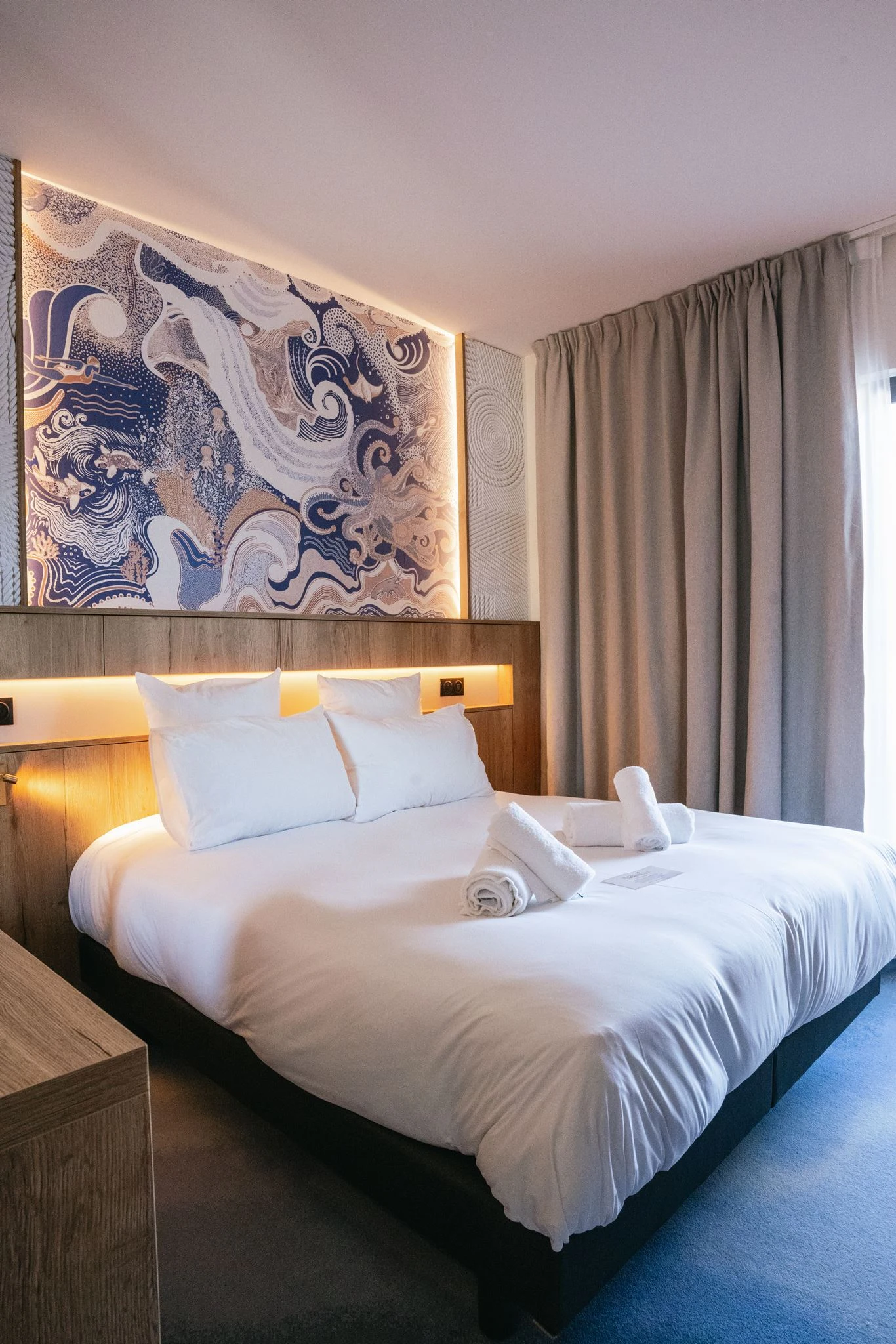
The Hôtel Thalassa fits right into this itinerary: it’s a comfortable place to stay, with a “seaside” atmosphere and a restaurant that’s perfect for wrapping up the day. And if you’re in the mood for some quiet reflection (or just to unwind), the heated seawater pool and hot tub are perfect for letting off some steam after your walk.
Bon à savoir
It is linked to an ancient foundation (Saint Guénolé), spans the Early Middle Ages and the Middle Ages (including the 9th century), weathering crises and periods of reconstruction, and was revived in the 20th century with the help of a nearby Benedictine community.
Start with the museum, then move on to the ruins and the garden, and check the hours before you go (they vary by season). If you have a specific request, you can contact the front desk or send an email.
Depending on the time of year: guided tours, temporary exhibits, workshops, storytelling walks, or other activities.
On-site shop (depending on availability): books, souvenirs, and monastic products, including fruit jellies and other sweets.
The ruins of the archaeological site, the remains of the buildings, and the layout centered around the church, all of which bear witness to several centuries of history.
Drive along the main roads of the Crozon Peninsula, then head toward Landévennec, using a map for guidance. The tourist office can also provide directions based on your starting point.