
Capucins Fort: how to visit it safely and make the most of the Crozon Peninsula
A fortification perched on a rocky islet, facing the Atlantic Ocean, off the coast of Roscanvel.
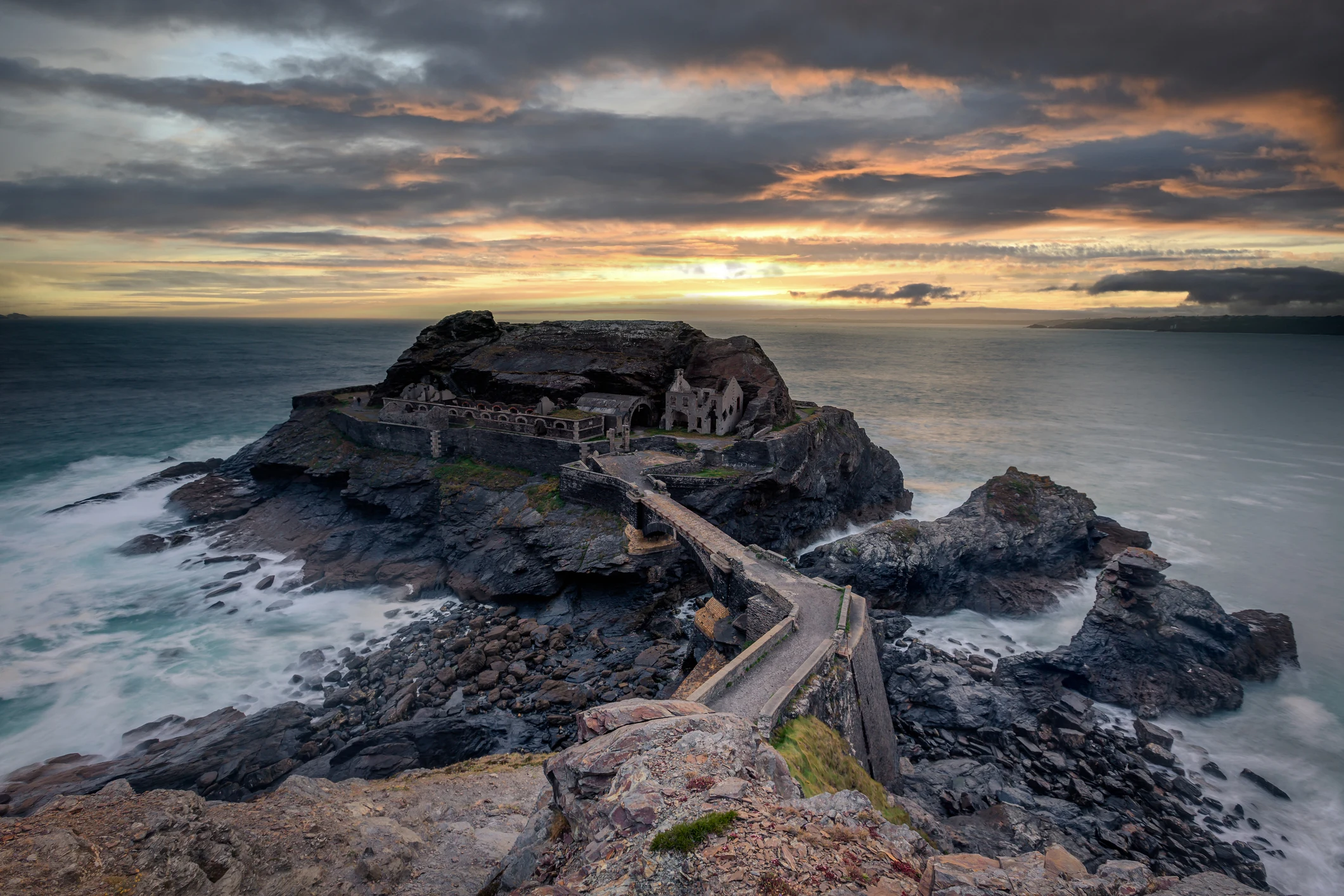
The Fort des Capucins is one of those places that leave a lasting impression on a traveler: a fortification perched on a rocky islet, facing the Atlantic Ocean, off the coast of Roscanvel on the Crozon Peninsula. Easily accessible on foot from the coast, it offers a breathtaking view of the Brest Strait and Camaret Bay, but access to the islet is now officially prohibited for safety reasons.
Designated a historic monument and owned by the Conservatoire du littoral, the site can now be explored from the coastal trail and the cliffs, along hiking routes that combine history, wild landscapes, and military history.
In this article, we’ll take a practical look at how to visit the fort, what remains of this fortification designed by Vauban, what dangers to be aware of, which hikes to take in the area…and where to stay nearby to fully enjoy the Crozon Peninsula.
In short, here are the most important points to remember.
-
You’ll discover the exact location of Fort des Capucins, its strategic role at the entrance to the Brest Strait, and its current status as a historic monument managed by the Conservatoire du littoral.
-
You’ll learn how to visit it safely: access to the islet is prohibited, the route via road and then trail, how much time to allow, safety precautions, and the highlights of the GR34 trail.
-
You’ll get a sense of the site’s landscapes and atmosphere: the Îlot du Diable, the rock shaped like a praying monk, the cliffs of Finistère, and panoramic views of Brest Harbor and Camaret Bay.
-
You’ll learn about the fort’s history, from Vauban in the 19th century through World War II, including its rock-cut batteries, bombardments, and military ruins still visible today.
-
You’ll leave with specific ideas for hikes around the fort and a suggestion for a stay in Camaret-sur-Mer, with the Hôtel Thalassa as the ideal base for combining hiking, history, and relaxation.
1. Fort des Capucins: What You Need to Know Before You Visit
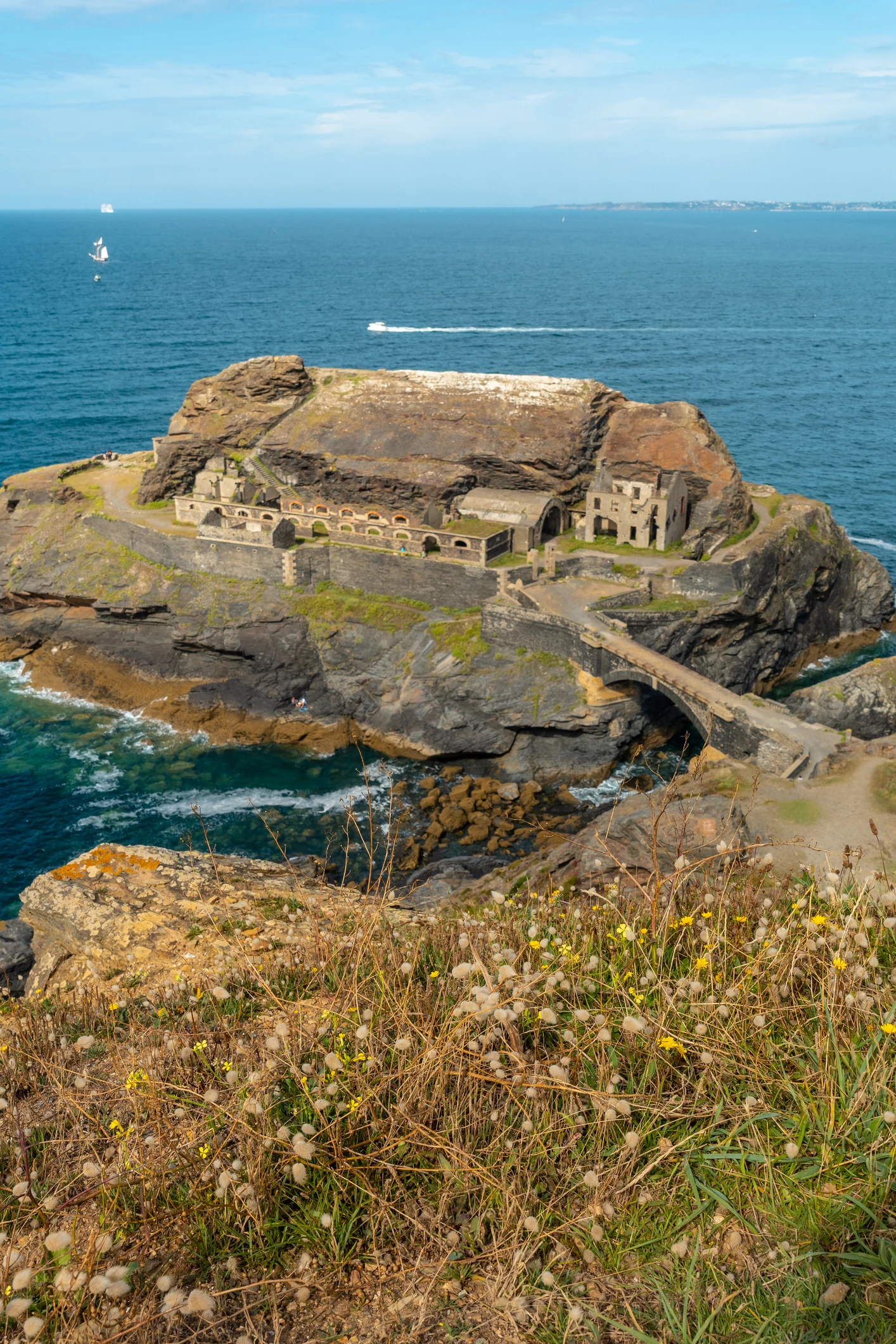
1.1 Where is Fort des Capucins located? Fort des Capucins is located on the islet of the same name, off the coast of Roscanvel, on the peninsula that forms the southern end of Brest Harbor. It guards the entrance to the strait, facing Fort du Minou to the north, and overlooks the bay and Camaret Cove on the west coast of France. The islet, sometimes called the Îlot du Diable, is connected to the mainland by a stone bridge and a metal structure: in the past, these structures allowed access to the fort on foot at both high and low tide, but this passage is no longer accessible today. 1.2 Can the fort still be visited today? You can easily reach the site by road and then via a trail, but access to the islet itself and the buildings is prohibited. The masonry has been weakened by time and bombardment, the bridge is no longer safe, and the rock-cut tunnels may pose a risk of rockfall. The fort, long owned by the Ministry of Defense as part of the Brest defense line, now belongs to the Conservatoire du littoral: authorities remind visitors that viewing is permitted only from the top of the cliff, without crossing the barriers or descending onto the site. 1.3 What You’ll Actually See There From the widest part of the promontory, you’ll enjoy a completely unobstructed panoramic view of:
the rocky islet and the stone barracks,
the upper and lower battery platforms, carved out of schist,
the entrances to the underground powder magazines and the breaching battery,
the bridge that connected the fort to the mainland,
Brest Harbor, the port of Brest in the distance, and other fortifications such as the Pointe du Grand Gouin.
Even without entering the fort, the view of this stretch of wild coastline in Finistère makes the walk well worth it.
2. How can I visit Fort des Capucins safely?
2.1 Access, Parking, and Walking Time
From Camaret-sur-Mer or Morgat, simply head to Roscanvel and then on to Pointe des Capucins. There’s a small parking lot where you can leave your car; a trail then leads to the cliff’s edge in about ten minutes. Plan to spend 1 to 2 hours there to take a leisurely walk, read the information signs, and enjoy the various views of the rock and the coast.
2.2 No Access to the Islet: What the Regulations Say
The site is both:
-
a designated natural area within the Armorique Regional Nature Park,
-
a historic monument (the islet, fortifications, and bridge are protected),
-
a former property of the Ministry of Defense, now managed by the Conservatoire du littoral.
Access to the islet is prohibited because the ruins are no longer stable, some walls have been weakened by partial destruction during World War II, and the staircases carved into the rock are no longer safe. The photos taken “inside” the fort were taken during visits undertaken at the photographers’ own risk, outside of official guidelines.
2.3 Safety Tips for the Cliffs
Even when staying at the top, caution is essential:
-
keep your distance from the cliff’s edge,
-
wear sturdy shoes—the rock and the trail can be slippery,
-
supervise children, especially in windy conditions,
-
obey barriers and warning signs.
The GR34 trail already offers a wonderful way to explore the area without taking any unnecessary risks.
3. A spectacular site: the scenery and atmosphere around the fort
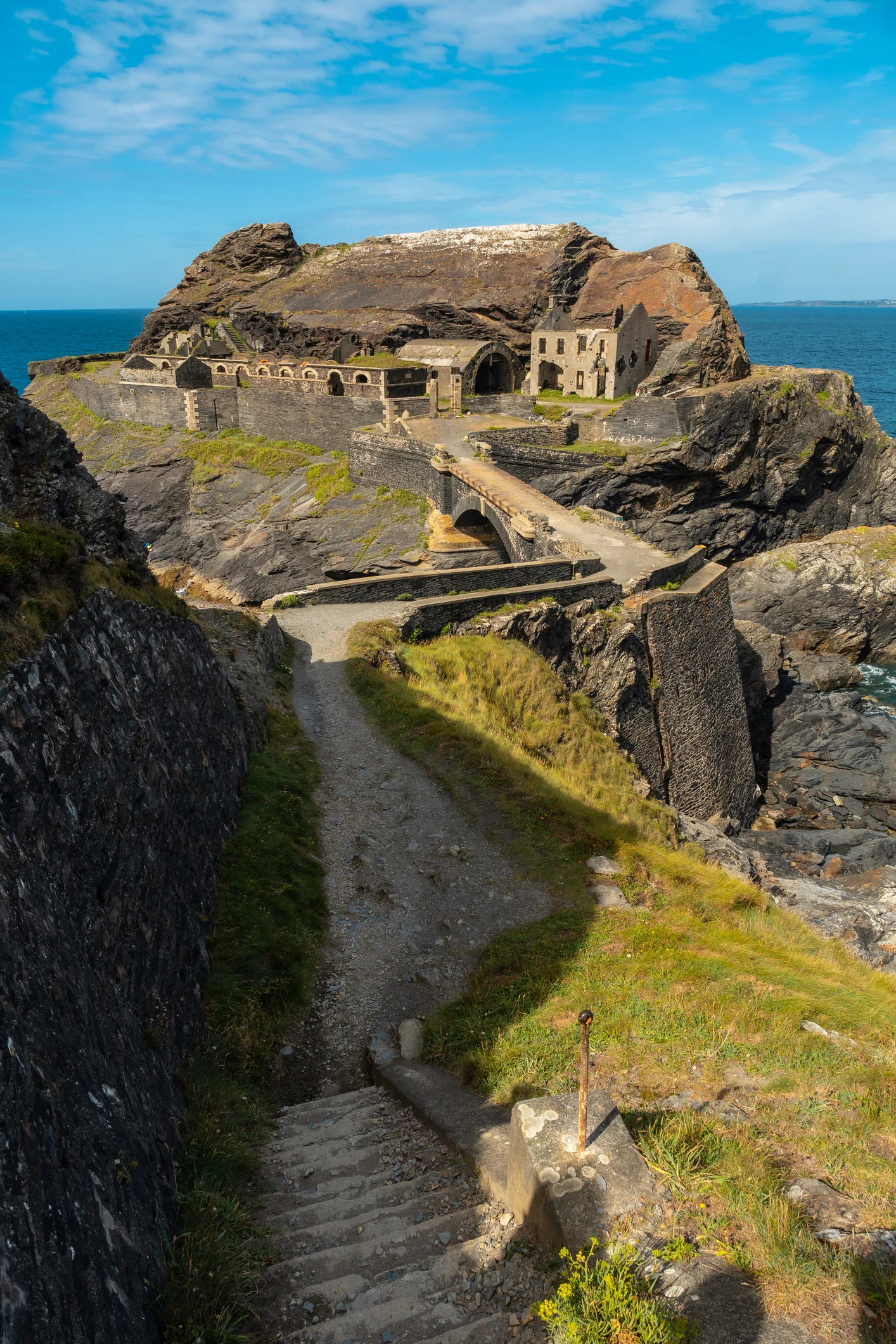
3.1 A fort clinging to its rocky islet Seen from the coast, the fort seems to blend into the rock: retaining walls, barracks, and gun platforms follow the contours of the rock. The place name “Capucins” is said to derive from this rock, which resembles a monk in prayer, rising from the sea like the silhouette of a motionless man. The Devil’s Islet, battered by the waves, reinforces this impression of an austere and majestic setting. 3.2 The Most Beautiful Viewpoints Along the GR34 As you follow the GR34, you’ll walk along the northwest coast of the Roscanvel Peninsula:
a first lookout point offers a bird’s-eye view of the bridge and the underwater breakwater,
further on, the view opens up to the Pointe des Espagnols and the Quélern defense line;
looking out to sea, you can see Pointe du Grand Gouin and, to the southwest, the west coast of the Crozon Peninsula.
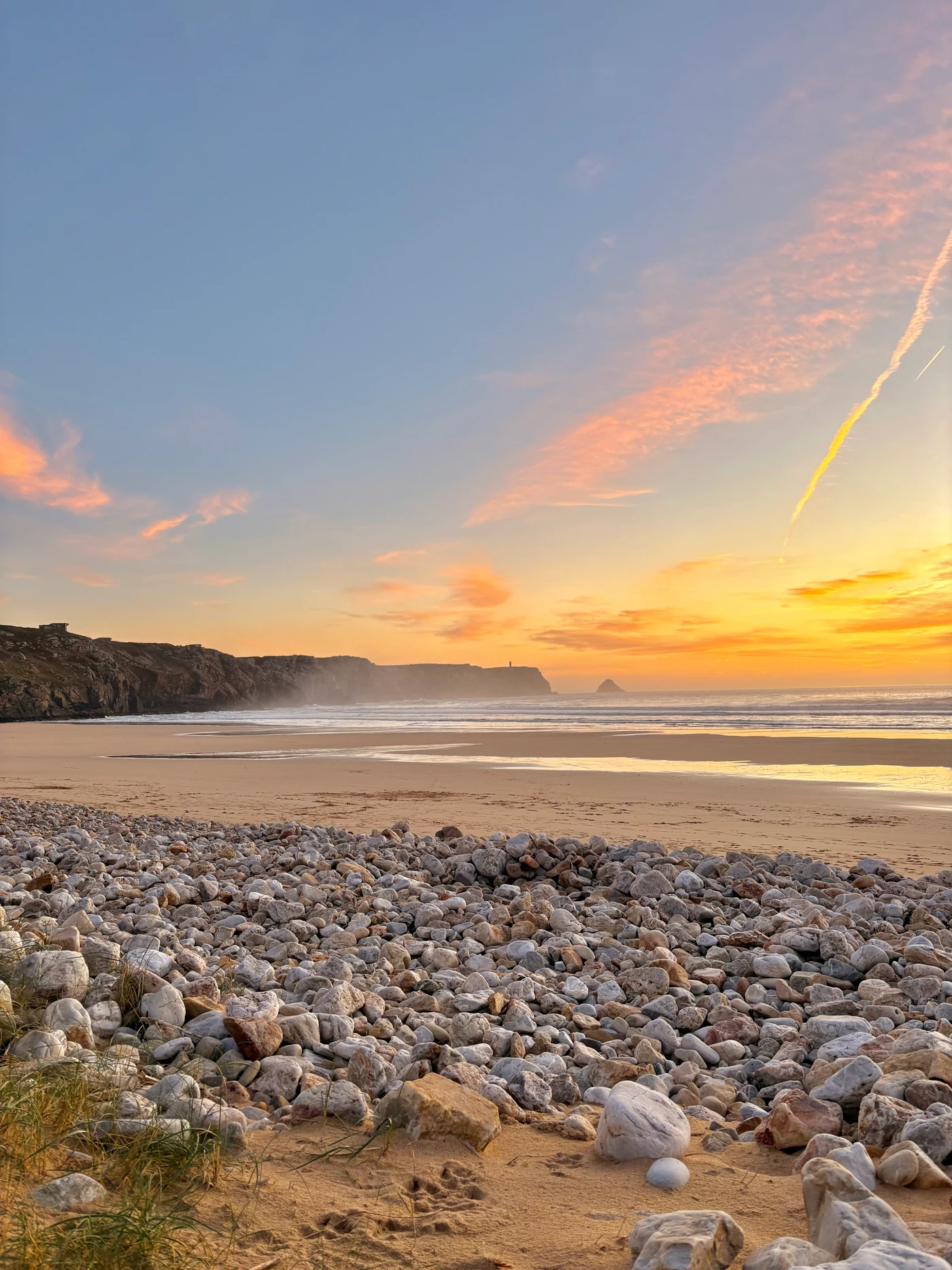
At sunset, the low-angled light highlights the contours of the rock and the old structures.
3.3 A Classified Natural Area, Rich in History The site is part of a network of protected coastal cliffs and moorlands. Lichens, halophilic plants, and seabirds have gradually reclaimed these military structures. Walking here also means immersing yourself in the history of Brest’s coastal defenses, traces of which can be found throughout the region.
4. A Brief History of the Capucins Fort: From Vauban to the Remains Today
4.1 The Origins: Vauban and the Defense of the Strait
At the end of the 17th century, Vauban conceived a battery south of the strait to protect Brest. The idea was to establish a firing position that would cross-fire with Fort du Minou to the north, thereby controlling the entrance to the strait and the entire bay. The project was not completed until much later: the fort as we see it today was built in the 19th century, at a time when the Brest arsenal was taking on major strategic importance for the French army.
4.2 Large-Caliber Batteries and Rock-Cut Fortifications
Throughout the 19th century, engineers expanded the defensive system:
-
high batteries on the plateau,
-
a low-lying battery as close as possible to the sea,
-
a large-caliber battery facing the open sea,
-
a breakthrough battery built into the rock, constructed in 1888 and connected to the surface by a long staircase carved into the cliff,
-
powder magazines carved into the rock and technical facilities, sometimes served by a small internal railway.
These structures, largely invisible from the sea, made the fort a truly protected firing position.
4.3 World War II, Bombings, and Abandonment
During World War II, Fort des Capucins was incorporated into the German army’s defensive system around Brest. A German general set up his headquarters there for a time before withdrawing as liberation approached in September 1944. Allied bombings damaged several buildings; some were later dismantled or left to fall into disrepair. After the war, the site continued to serve as an observation post and training ground for commandos, before being decommissioned and subsequently transferred to the Conservatoire du littoral. Today, the visible ruins tell the story of the construction, destruction, and defense of this stretch of coastline.
5. Hiking Ideas Around Fort des Capucins
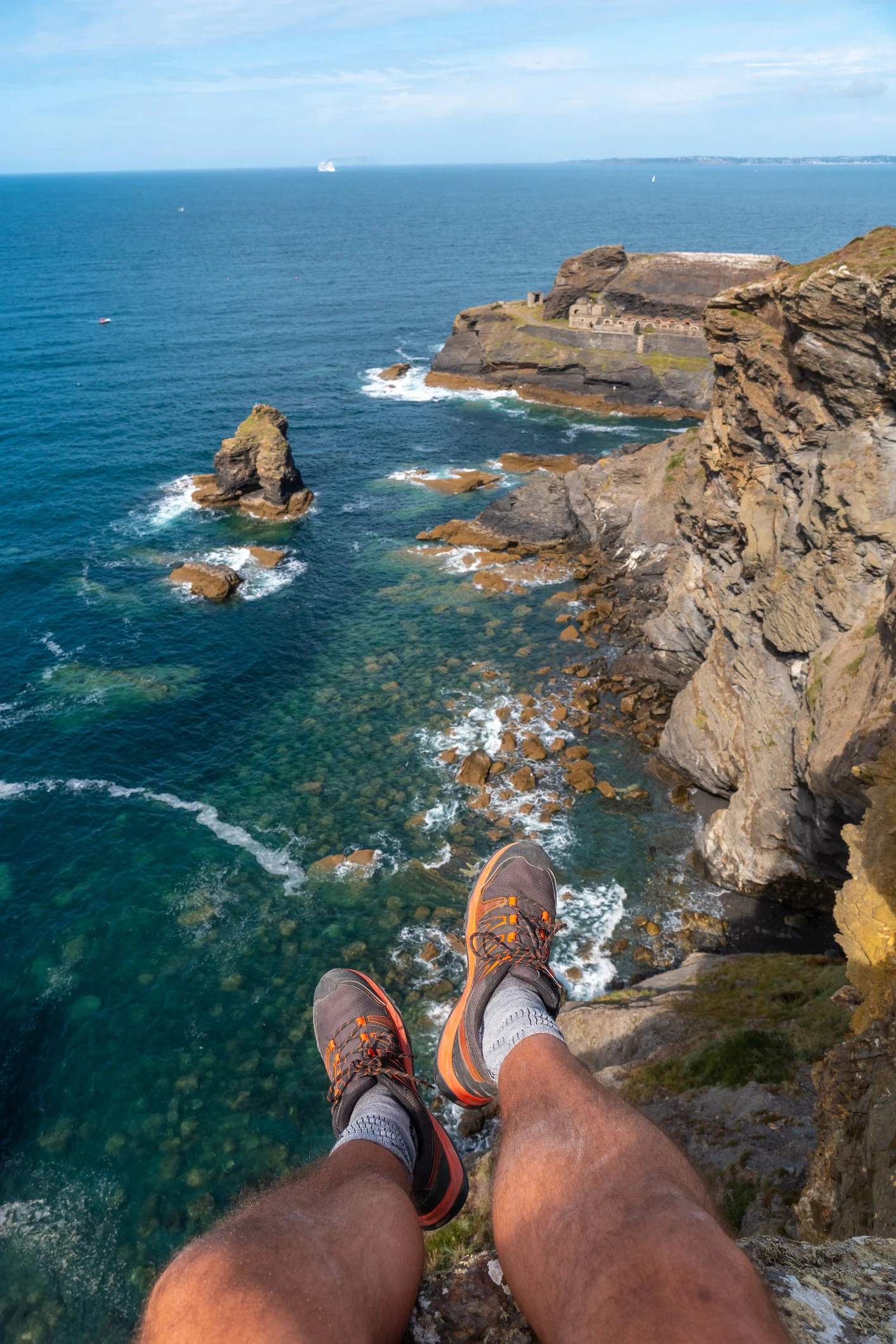
5.1 Easy Loops from Roscanvel From Pointe des Capucins, short, marked trails let you explore:
the lookout points overlooking the fort and Camaret Cove,
Pointe des Espagnols and the view of Brest Harbor,
sections of the defensive line that ran all the way to Quélern.
These trails, which take 1 to 2 hours to complete, are suitable for most hikers. 5.2 Connecting to the Other Forts Along the Coast More experienced hikers can extend their route to:
Fort de la Fraternité,
the Pointe du Grand Gouin,
or further south, the cliffs of Pen-Hir and the beaches near Morgat.
By following the GR34, you’ll traverse the western part of the peninsula, discovering a series of batteries and artillery posts that crisscrossed their fire to protect the region. 5.3 Who is this hike for?
Families: short loops around the lookout point, with photo stops.
Photographers: a round-trip hike along the GR34 to capture the changing light.
Experienced hikers: explore several capes and forts over the course of a full day.
6. Why does the Fort des Capucins fascinate visitors so much?
6.1 A Postcard-Perfect Setting Between Rocks and the Ocean
The combination of a solitary rock, an ancient fort clinging to the cliffs, and the ocean roaring at its feet creates a unique setting. You really feel as though you’re at the very edge of Brittany, facing the Atlantic, in a landscape where human presence blends with the raw power of the rock.
6.2 A symbol of maritime defense history
The Capucins Fort is one of the most iconic landmarks in the history of Brest’s coastal defense: batteries, forts, towers, and bunkers here serve as reminders of the strategic role played by the port and the harbor, from the time of Vauban through World War II. Visiting these ruins also offers insight into how this coastline was shaped by the French military and, later, by the conflicts of the 20th century.
6.3 A Very Photogenic—But Fragile—Site
Because it’s famous on social media, the site is attracting more and more visitors. Yet the fort is fragile: some parts are visibly deteriorating. Admiring the landscape from the trail, respecting access restrictions, and staying on the marked trails helps preserve this heritage for future generations.
7. Where to stay near Fort des Capucins? A wellness getaway at the Thalassa Hotel
7.1 Camaret-sur-Mer, the ideal base for exploring the peninsula
Located just a few kilometers from the fort, Camaret-sur-Mer is a charming port town in the heart of Finistère. From this seaside village, you can easily reach Roscanvel, the expansive beaches of the west coast, and other iconic sites on the Crozon Peninsula.
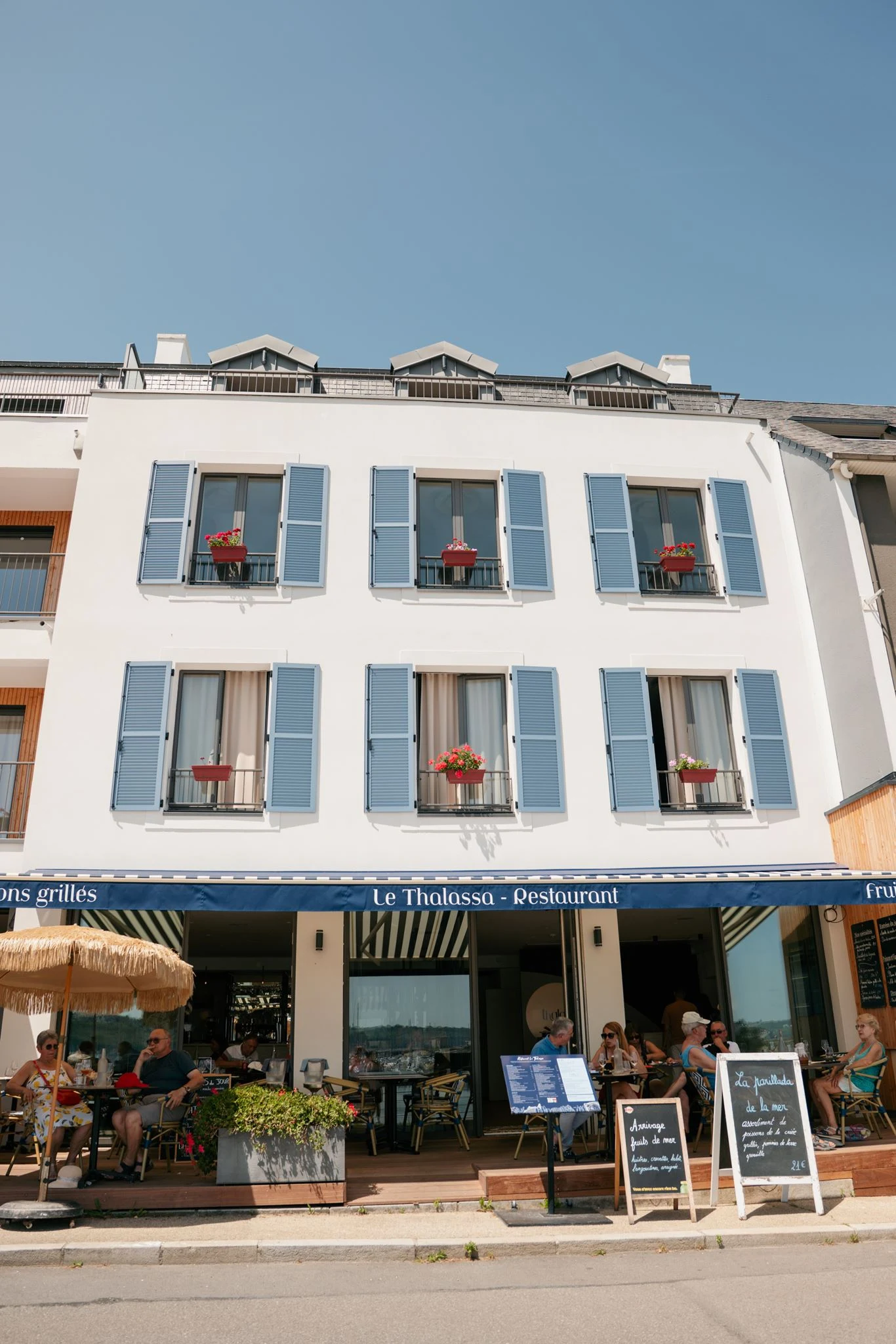
7.2 The Thalassa Hotel: rooms with ocean views, a pool, and a restaurant facing the ocean
To extend your exploration, the Hôtel Thalassa offers you a comfortable and welcoming retreat:
-
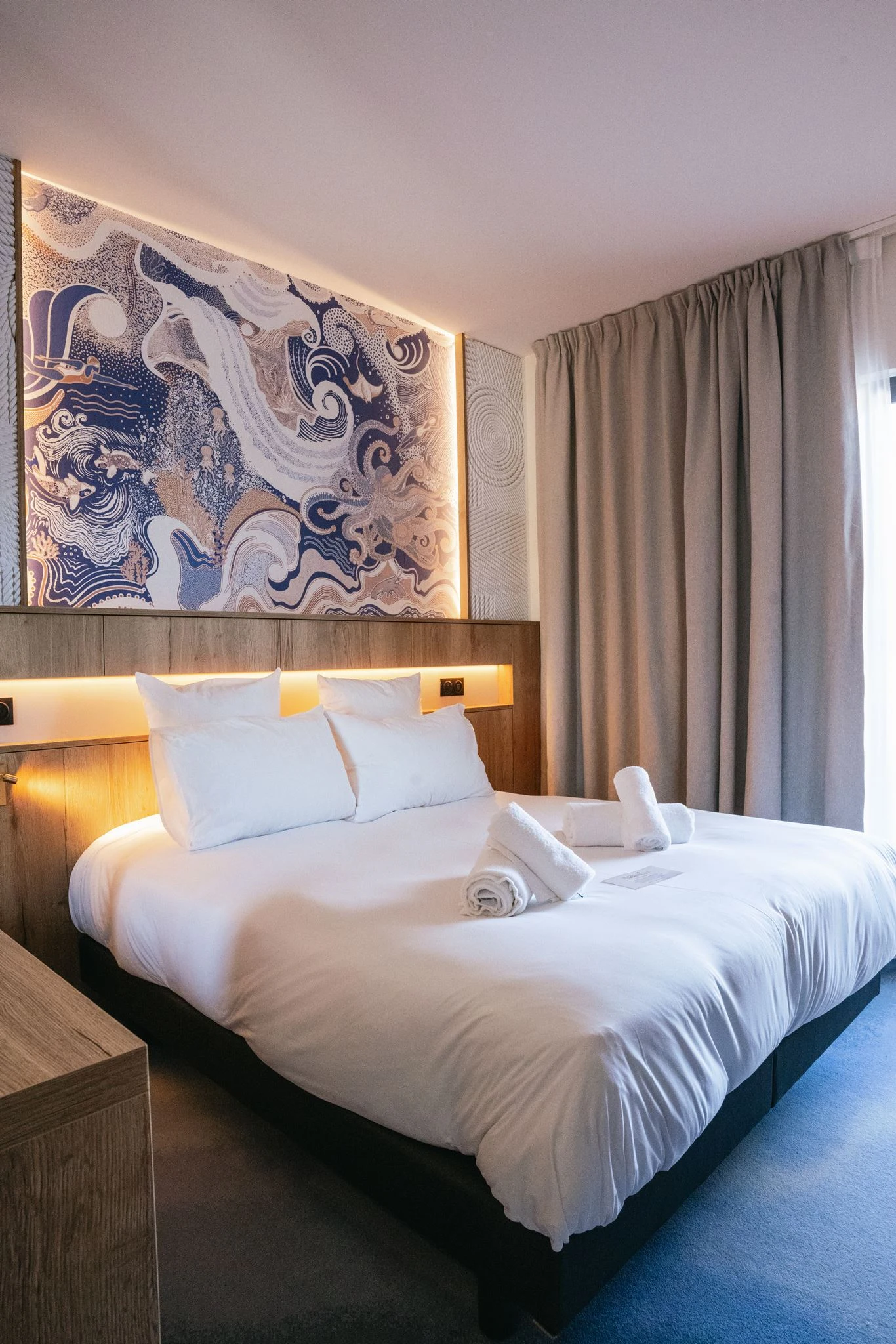
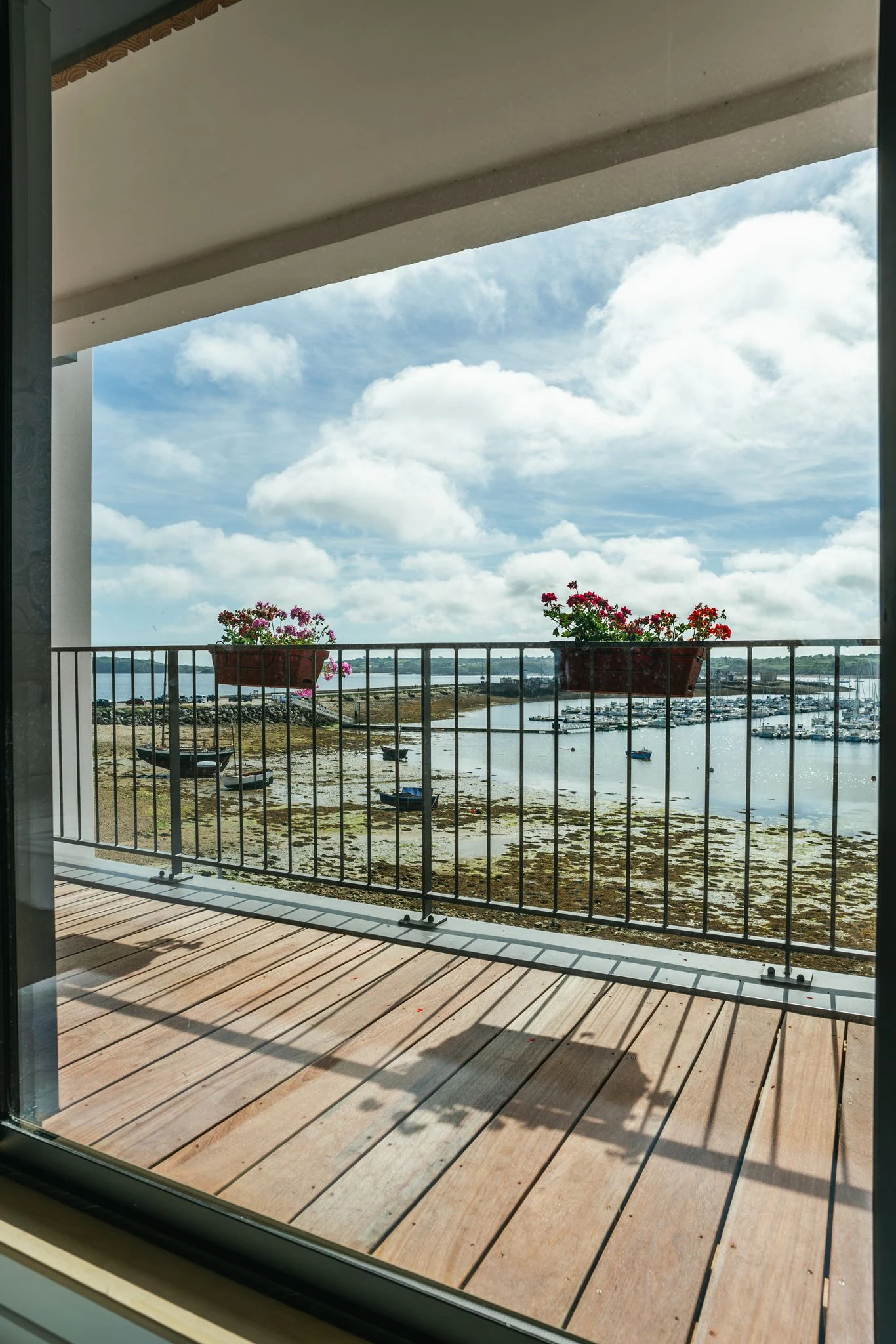
bright rooms, some with direct views of Camaret Bay,
-
a heated seawater pool and a hot tub to soothe your legs after a hike,
-
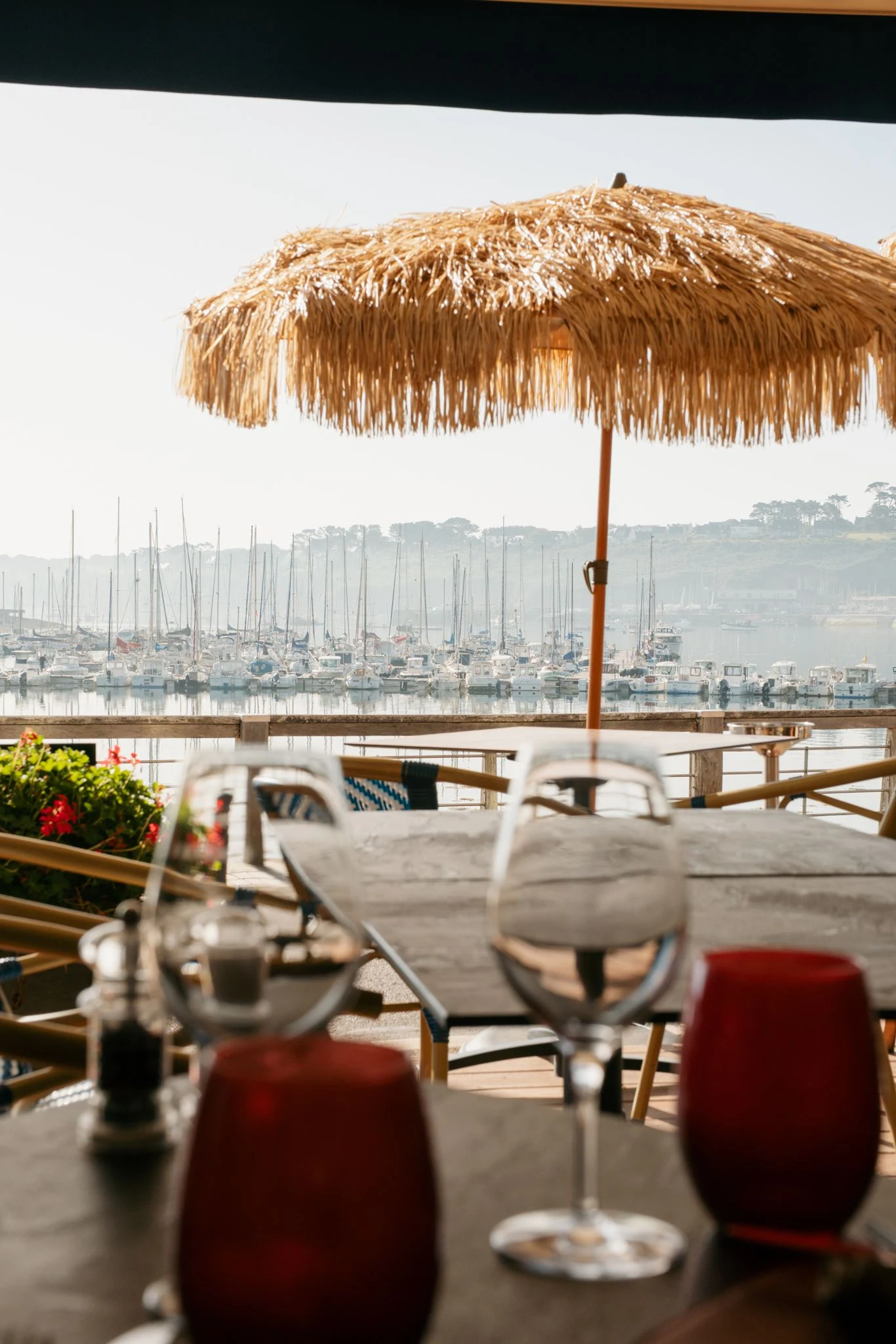
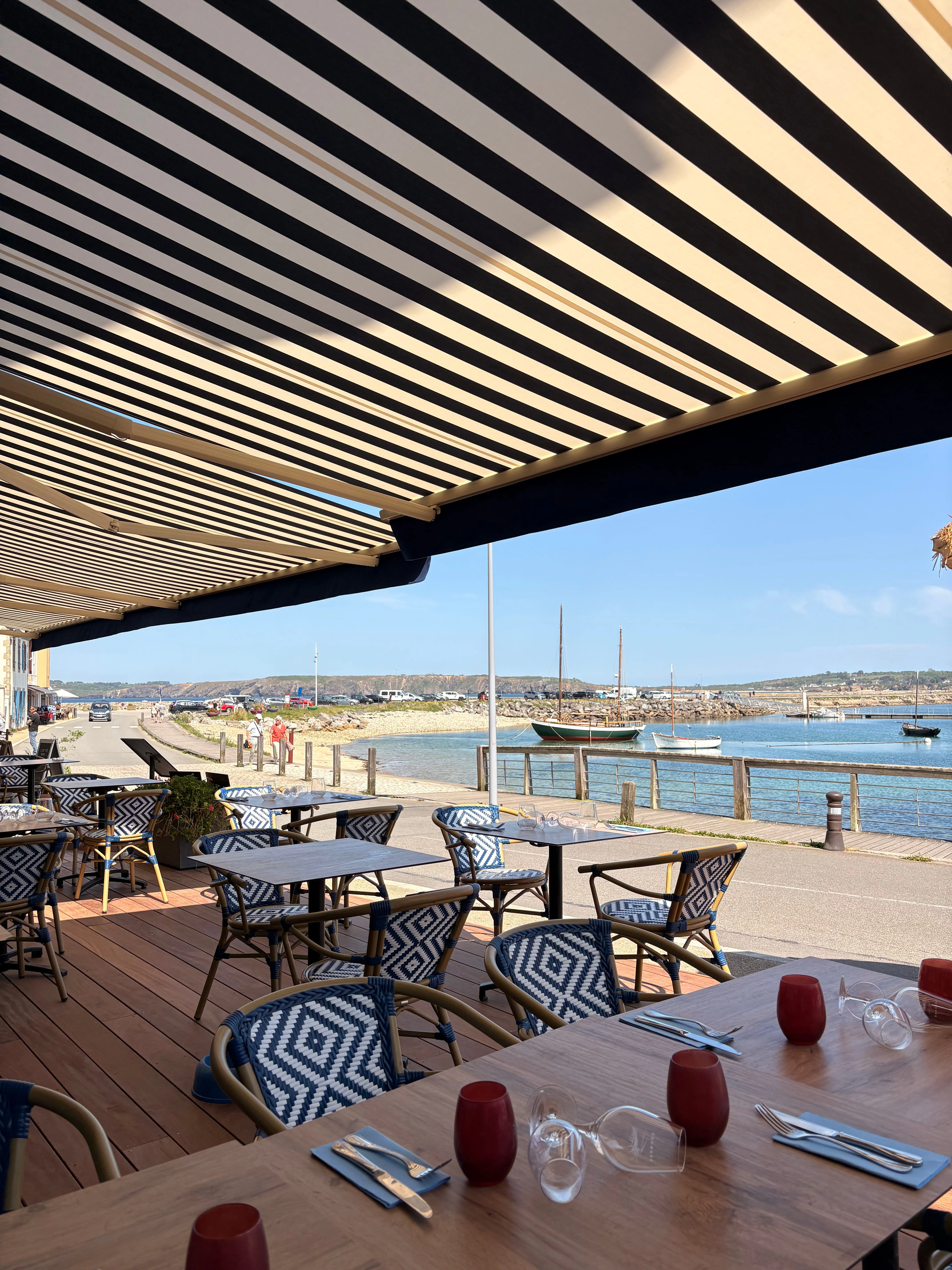
a restaurant where you can savor fish, seafood, and Breton cuisine while watching the sunset.
The atmosphere is distinctly maritime, with just the right touch of tranquility to help you recharge.
7.3 Getaway Idea: Hiking, History, and Relaxation
A typical day:
-
A morning hike to the viewpoints at Fort des Capucins.
-
Stop in Camaret-sur-Mer to stroll along the harbor and explore the Vauban Tower.
-
End the day at the Hôtel Thalassa: a swim, dinner overlooking the sea, and a peaceful night’s sleep.
A perfect blend of military history, rugged landscapes, and the laid-back Breton way of life.
Practical FAQ About Fort des Capucins
Allow between 1 and 2 hours to walk to the lookout points, explore the nearby trails, and enjoy the views.
Short walks are still doable with children, as long as you keep them away from the edge. However, strollers aren’t well-suited for rocky trails and slopes.
Yes, the site is open year-round. But on this exposed stretch of coastline, the wind and rain can be strong in winter: be sure to check the weather forecast, especially if you’re traveling with children.
It’s not required: most visitors explore the fort on their own. However, a local guide or a guided tour can provide valuable insight into the history of the batteries, the history of Brest’s defenses, and the other forts on the peninsula.